Prodex Total Insulation
One Solution to Heat, Cold, Condensation and Air
INSULATION + Radiant Barrier + Vapor Barrier + Air Barrier
ALL IN ONE PRODUCT!
Best insulation for Metal buildings, Pole Barns & Houses
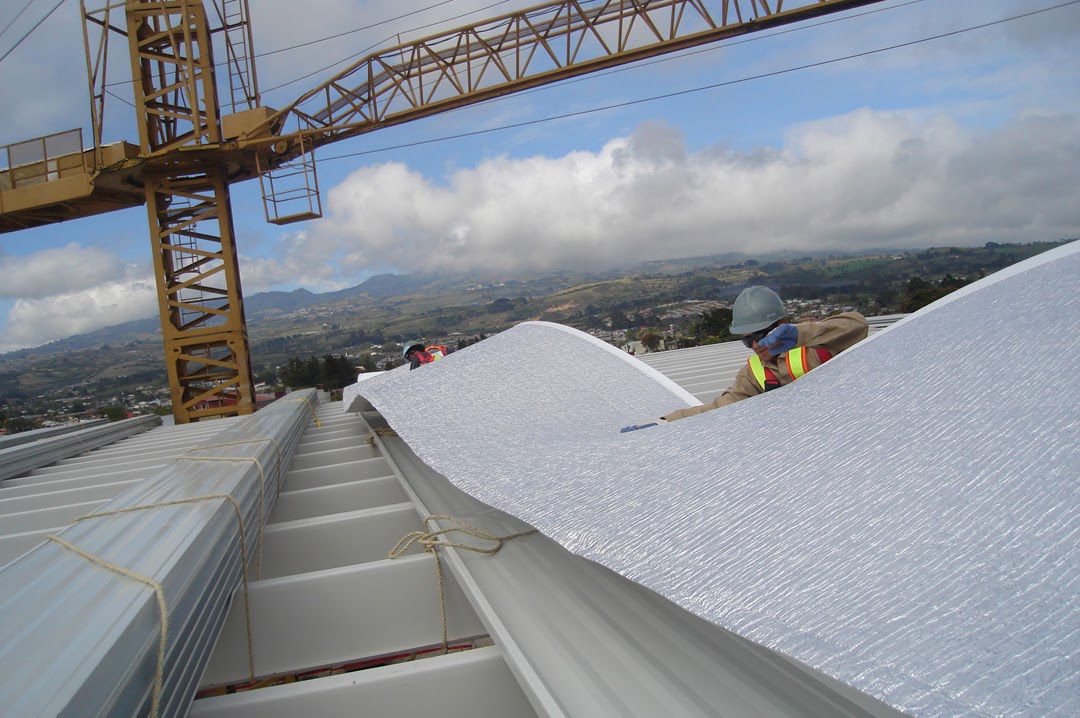
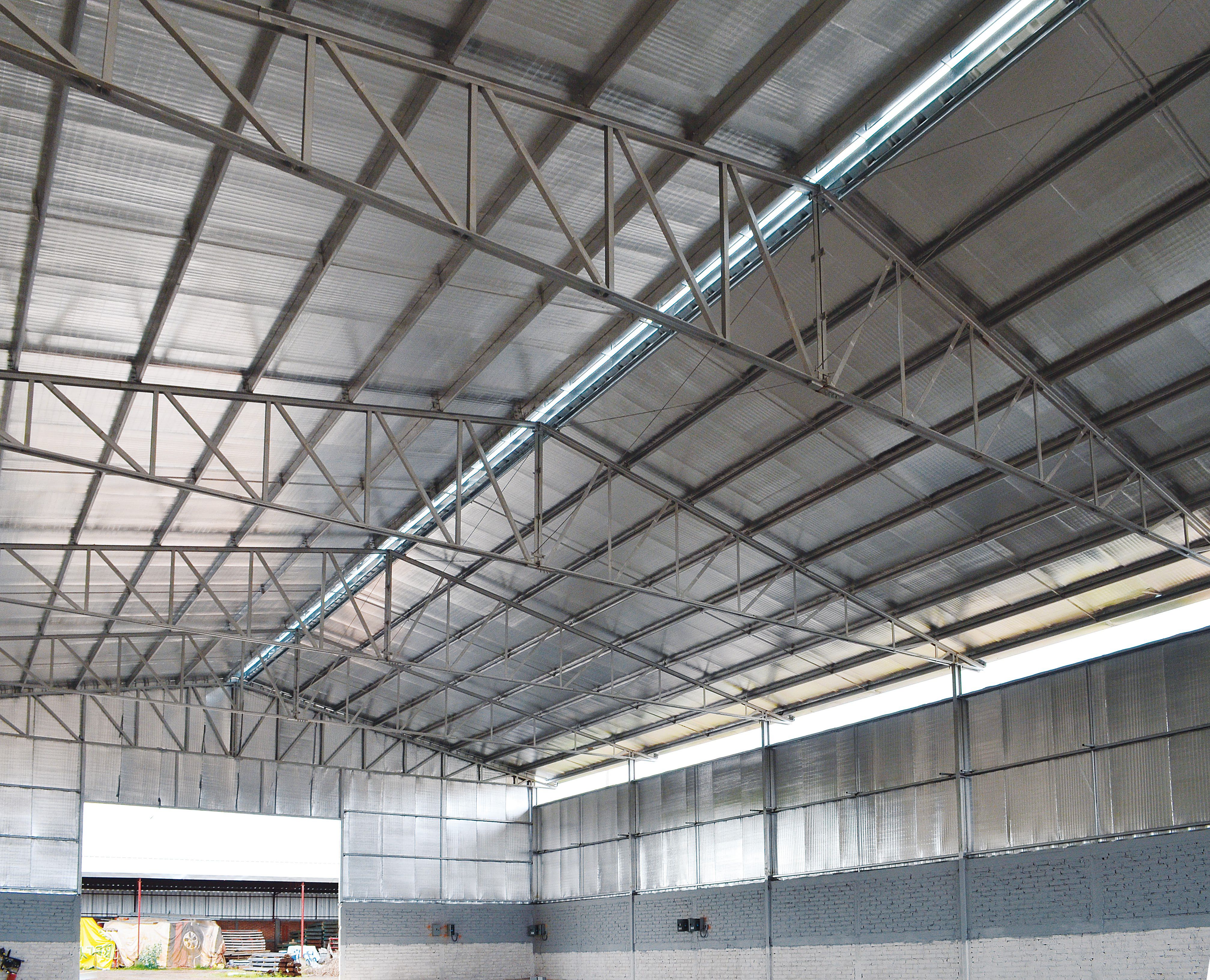
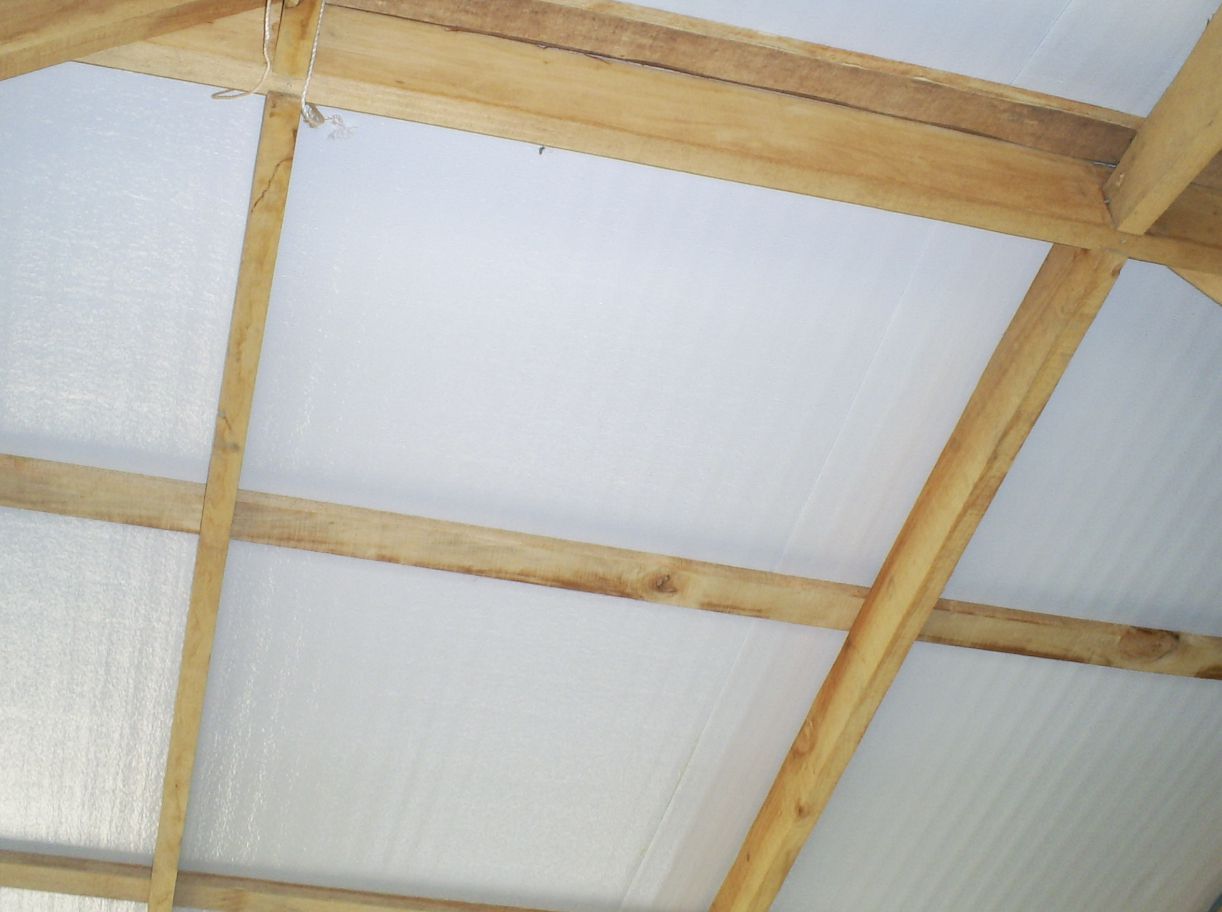
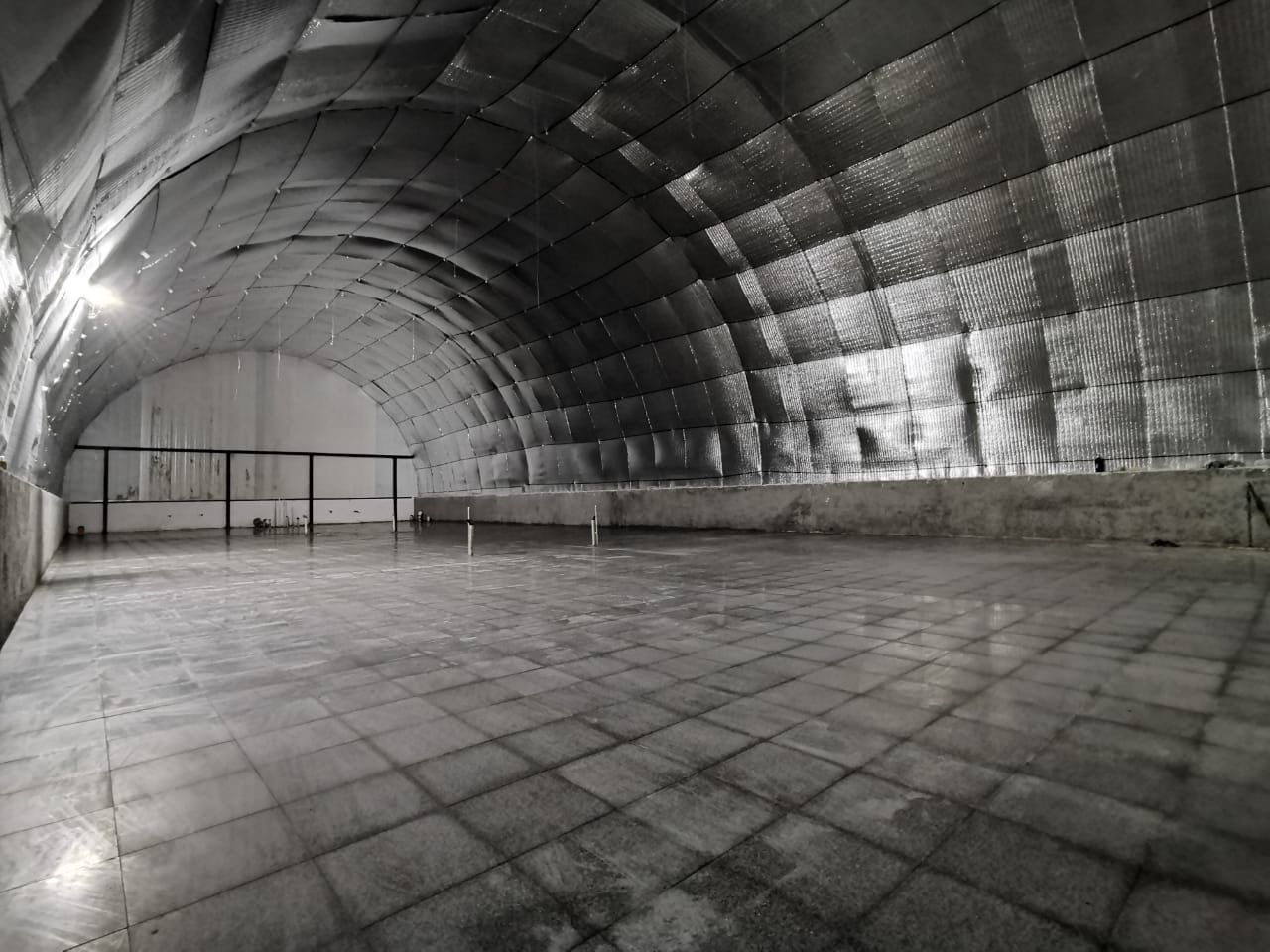
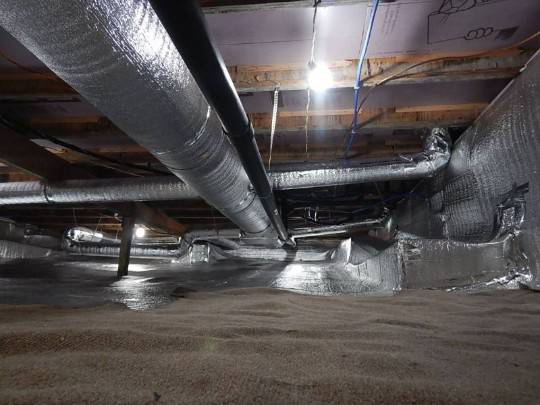
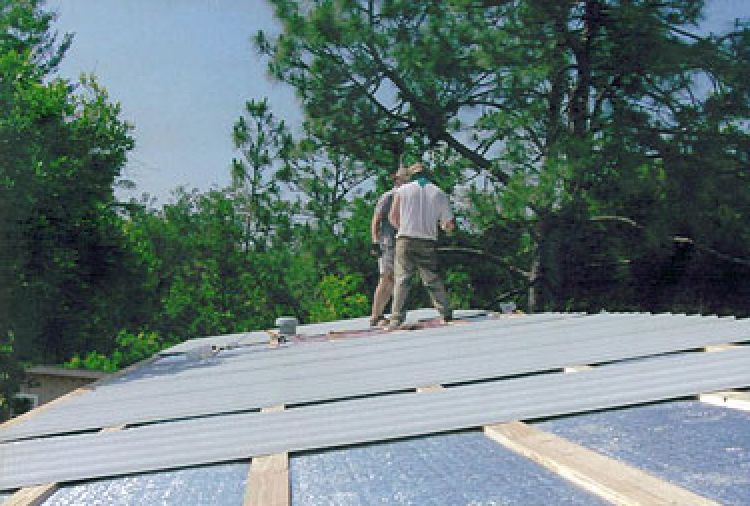
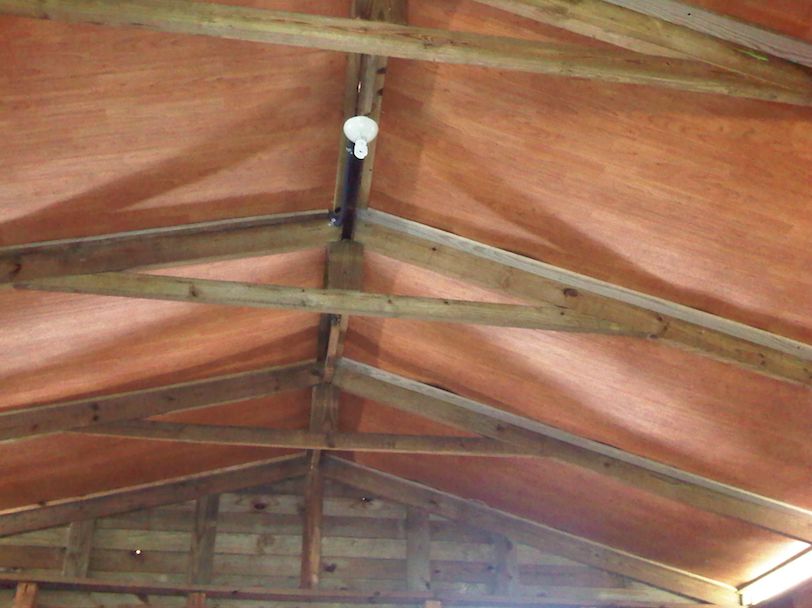
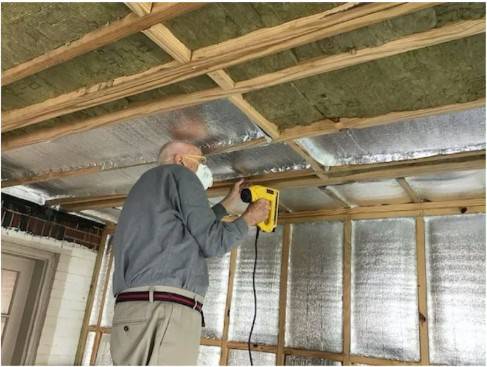
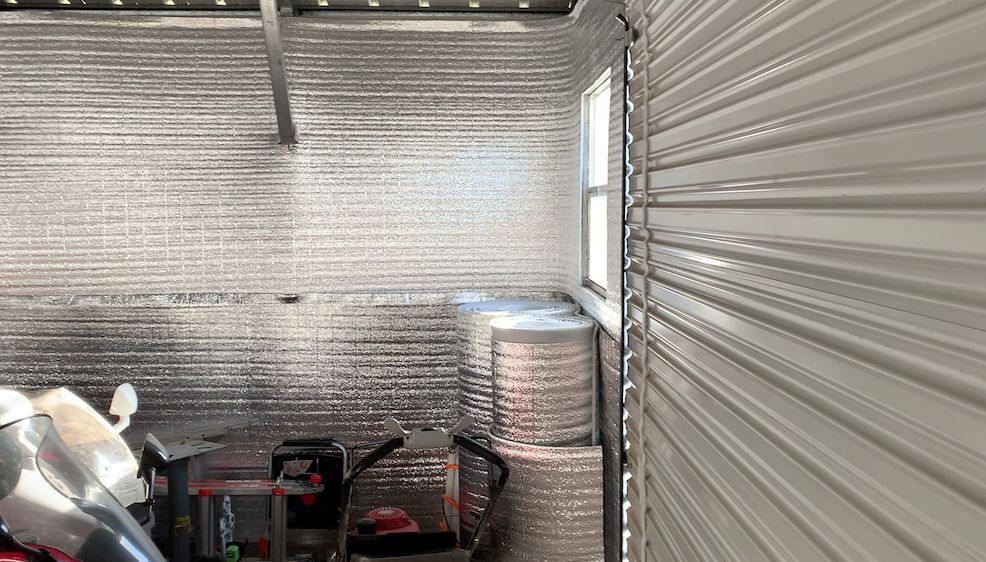
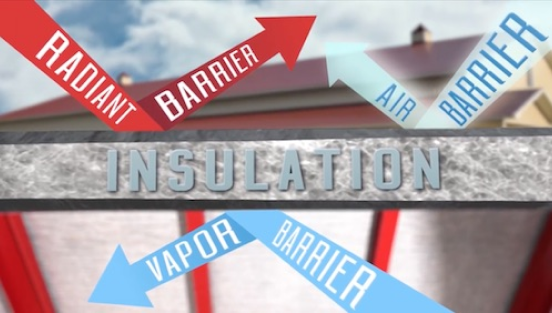
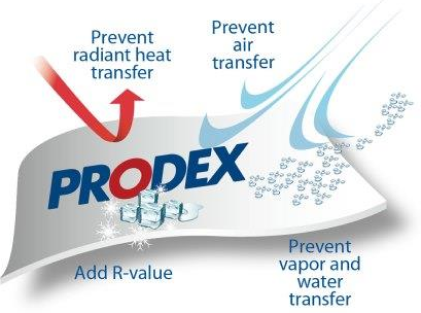
Prodex Total Works Great In Hot And Cold Climates!
Prodex Total - The One Solution to Heat, Cold, Condensation and Airflow.
Prodex Difference: R-value unaffected by humidity : Prevents condensation : Prevents 97% of radiant heat transfer : Vapor barrier : Core sealed on both sides with flange : Elastic : Does not promote mold or mildew : Does not provide for nesting of rodents, bugs or birds : Seals around nails (no leak) : ICC-ES Recognized : Reflective reinforced foil on each side of 5mm (0.2 inch) or 10mm (0.4 inch) closed-cell polyethylene foam center : Keeps its shape over time (doesn't collapse) : Rippled surface increases airflow : Green Product Certified : Over 5 billion square feet sold worldwide.
Prodex partnered with Insulation4Less to develop Total Plus - Designed specifically for the U.S. and Canada - Higher R, Stonger and Safer. See Technical sheets: 10M , 5M , White. Total Plus includes all the features of the premium ESD and ESW family of products produced by Prodex.
Beware of sellers using Prodex product images, descriptions and test results to market other products.
What our customers say...
My wife and I bought an old commercial building to rehab about 8 years ago. Virtually all of the first floor and 1/3 of the top floor were gutted to the stick structure. We know energy would continue to become more expensive and that insulation was going to be one of our best investments.
We had not heard of Prodex but in researching products it seemed one of the best products for the money. We bought and installed it, we are glad we did. We looked into spray foam but could not afford the cost. The Prodex with the fiberglass in the walls seems to be working as well as foam would have.
One of the benefits we appreciate more than we thought we would is the sound deadening qualities. We live on Main Street yet the noise levels are lower than when we lived in the country.
We have a nephew in construction who was very skeptical about the product until we had been living here for a while. He was amazed at the heat retention in winter and conversely, the heat repulsion in summer. Two small window air conditioners cool the whole two bedroom apartment we live in. He has installed it on his new home.
We are grateful to have found your product, Prodex must be one of the best values for the dollar today.
Tom and Karen Jones
October 16th, 2014Independent Reviews at Site Jabber. Site Jabber is the leading destination for customer reviews of businesses.
Buying Insulation Made Easy
- Insulation roll pricing on product pages
- Tips to save on shipping
- Discount volume pricing in shopping cart

Featured Insulation For Sale - Prodex Total
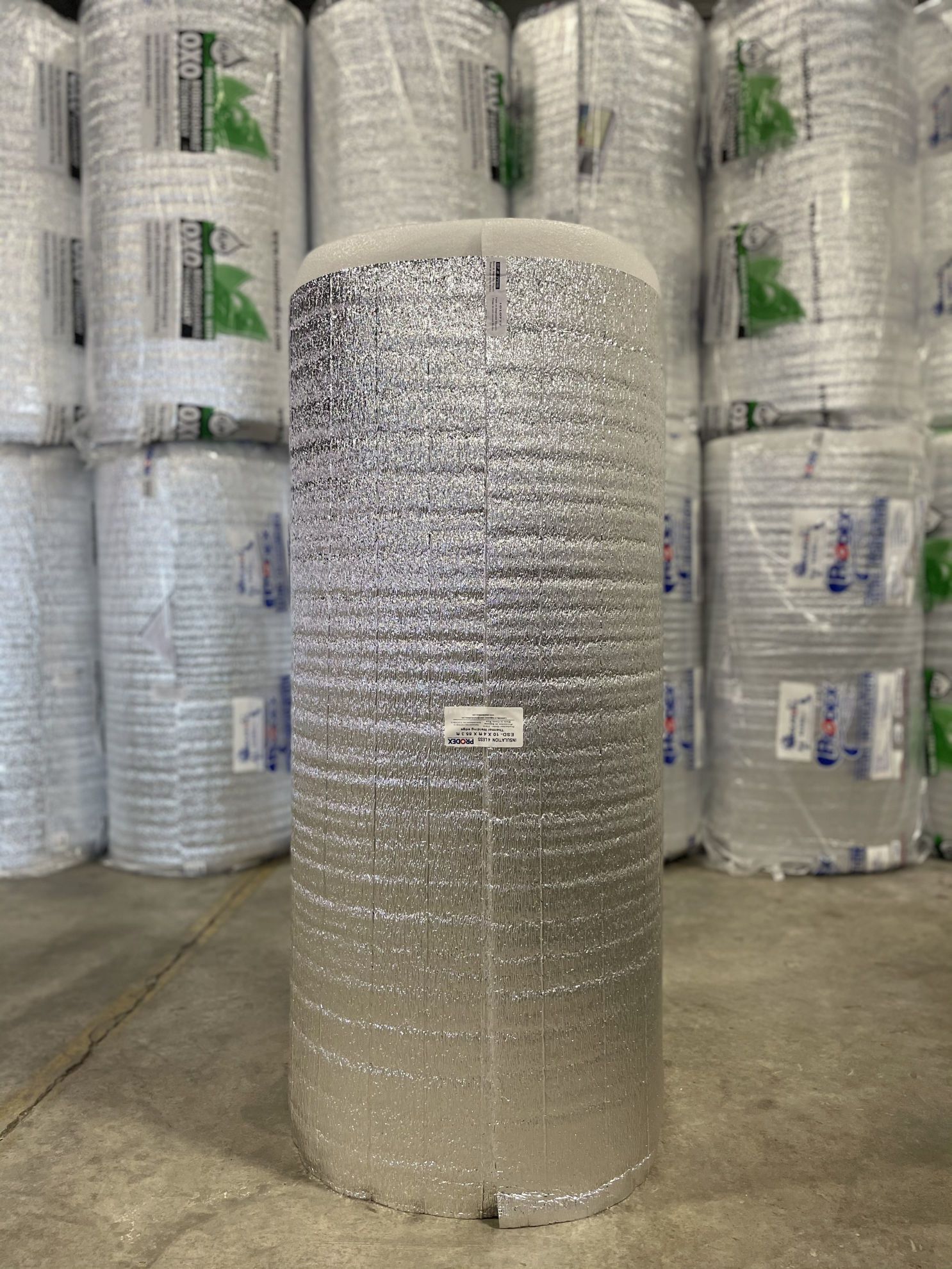
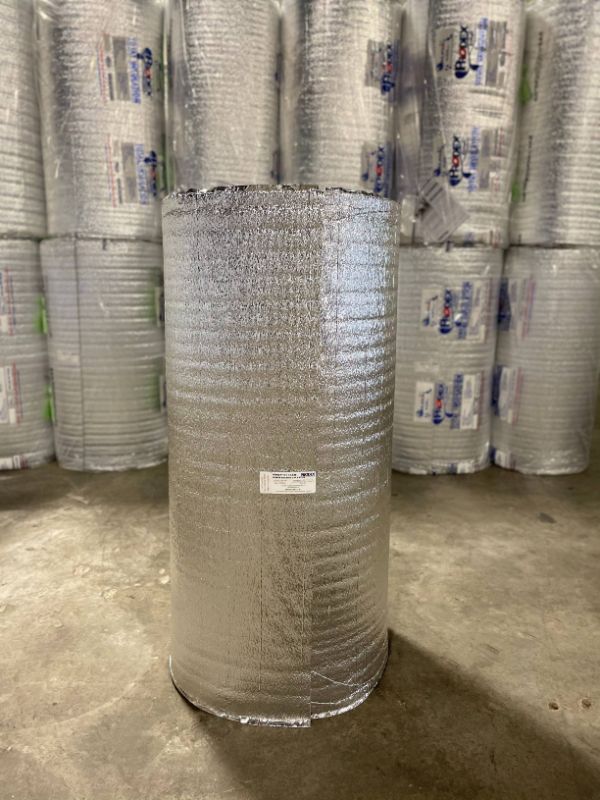
5M Plus: R17
Select one of these 5M items: 48 inch, Fast Action, 62 inch Fast Action, 72 inch, 24 inch or 16 inch. Thickness: 5mm (0.2") closed cell polyethylene foam covered on both sides with reinforced reflective foil.
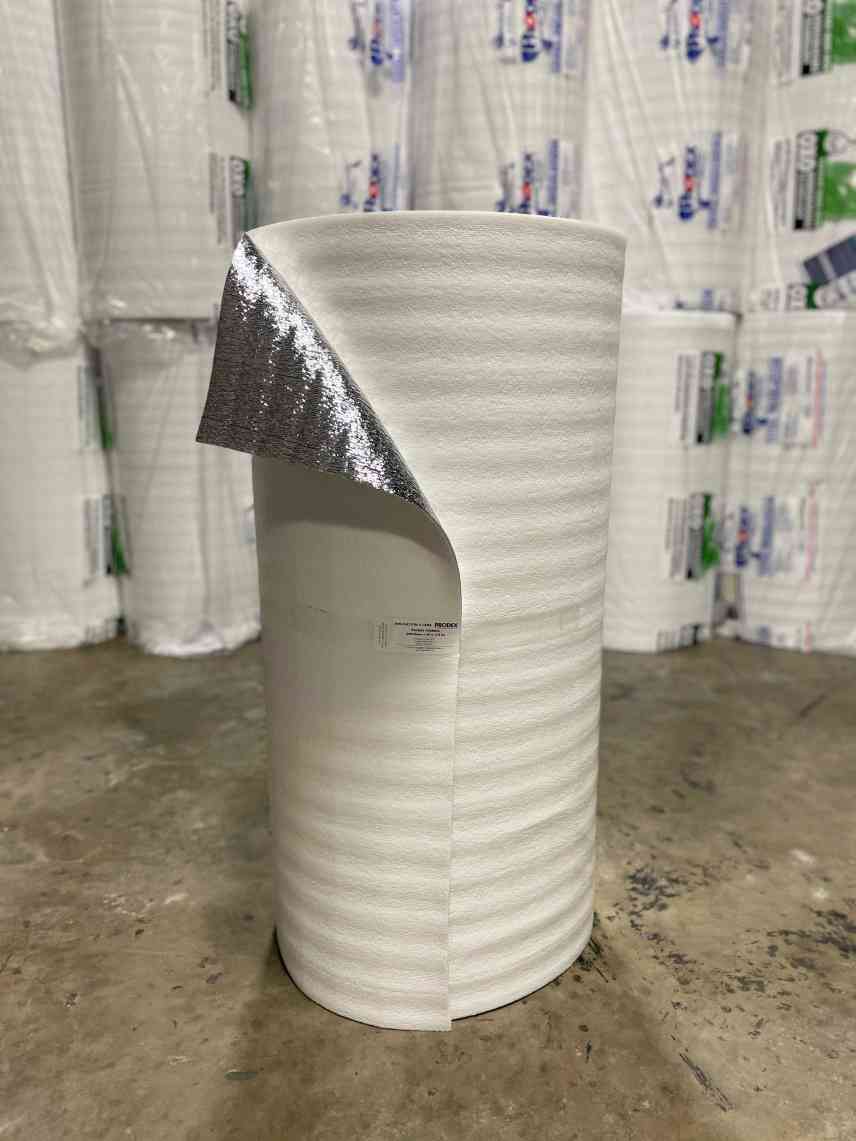
WHITE 5M Plus: R15.3
Thickness: 5mm (0.2") closed cell polyethylene foam with reflective reinforced foil on one side and plastic white finish film on the other side. Ideal where white finish is preferred.
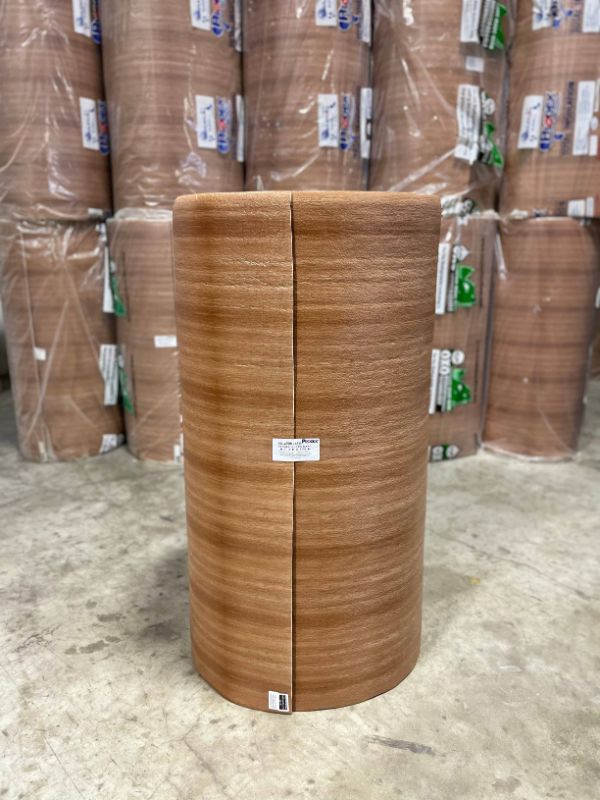
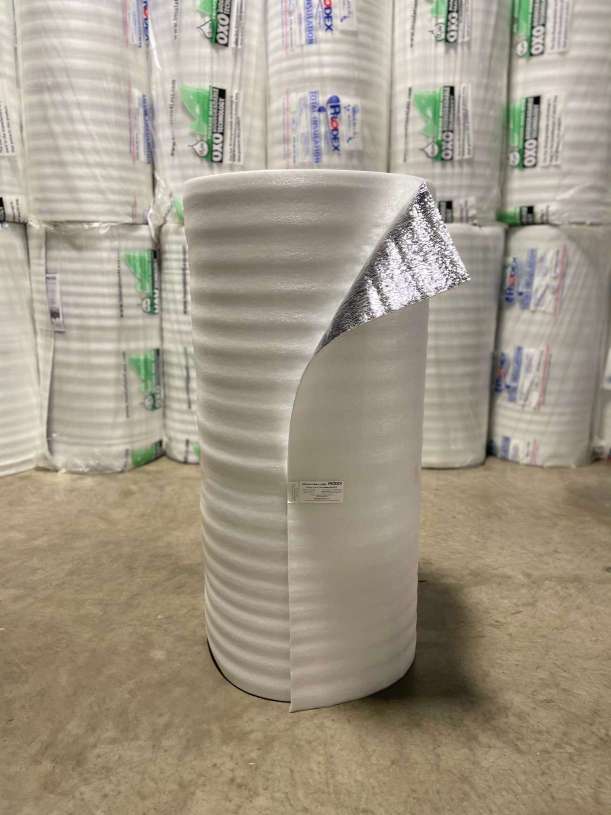
UNDER CONCRETE 5M
Thickness: 5mm (0.2") closed cell polyethylene foam with reflective on one side.
Ideal for driveways, radiant floor and basements.
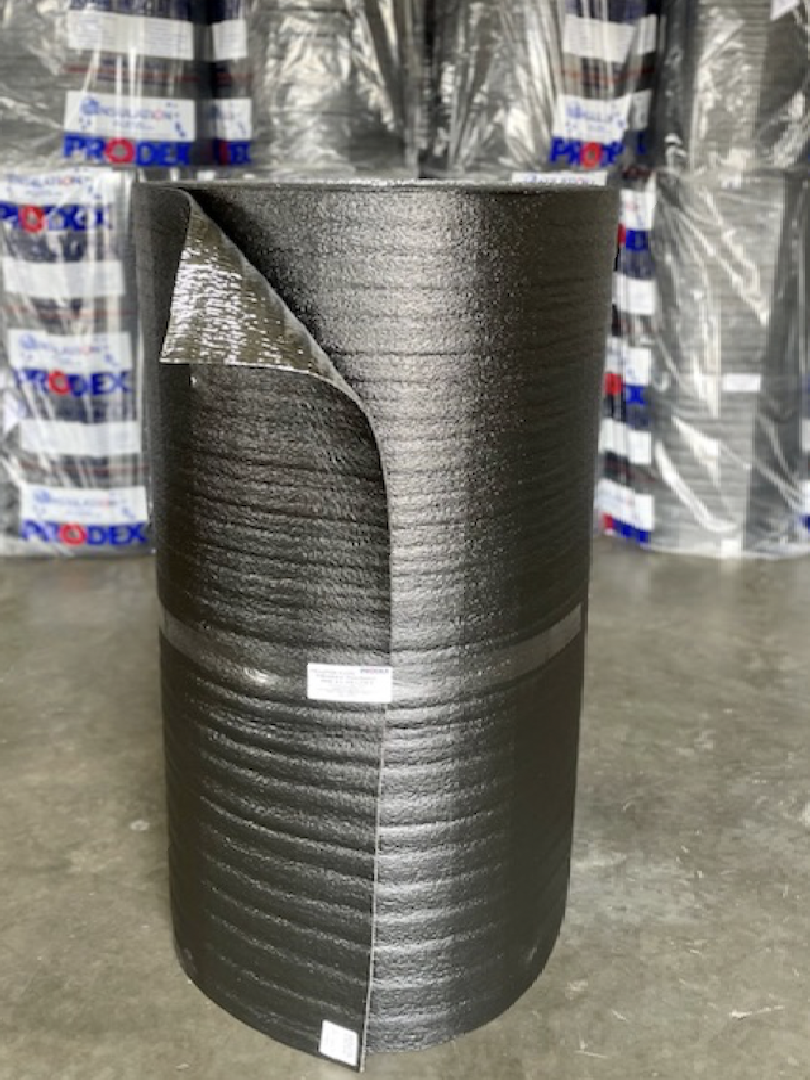
BLACK 5M Plus: R15.0
Thickness: 5mm (0.2") closed cell polyethylene foam with reflective reinforced foil on one side and plastic white finish film on the other side.
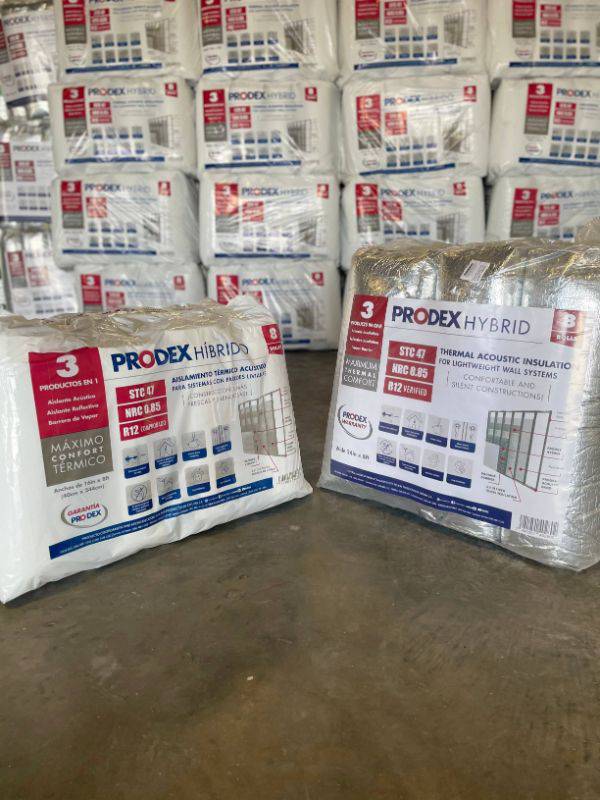
Other Insulation Products For Sale
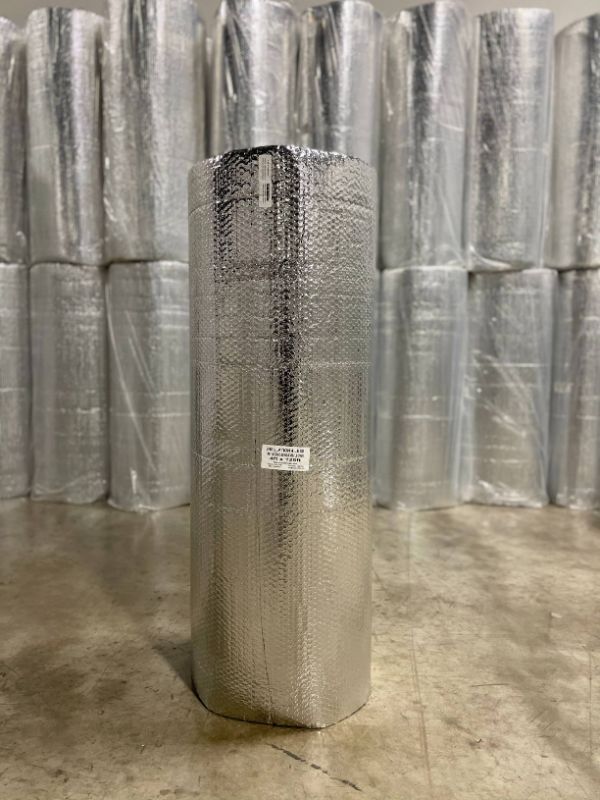
Reflective Bubble Reflective Insulation
4ft x 125 ft roll
Low-cost alternative to Prodex Total. Single bubble reflective insulation composed of 1 layer of 5/32 inch polyethylene bubble sandwiched between two metalized, low emissivity surfaces. Compare to Prodex Total.
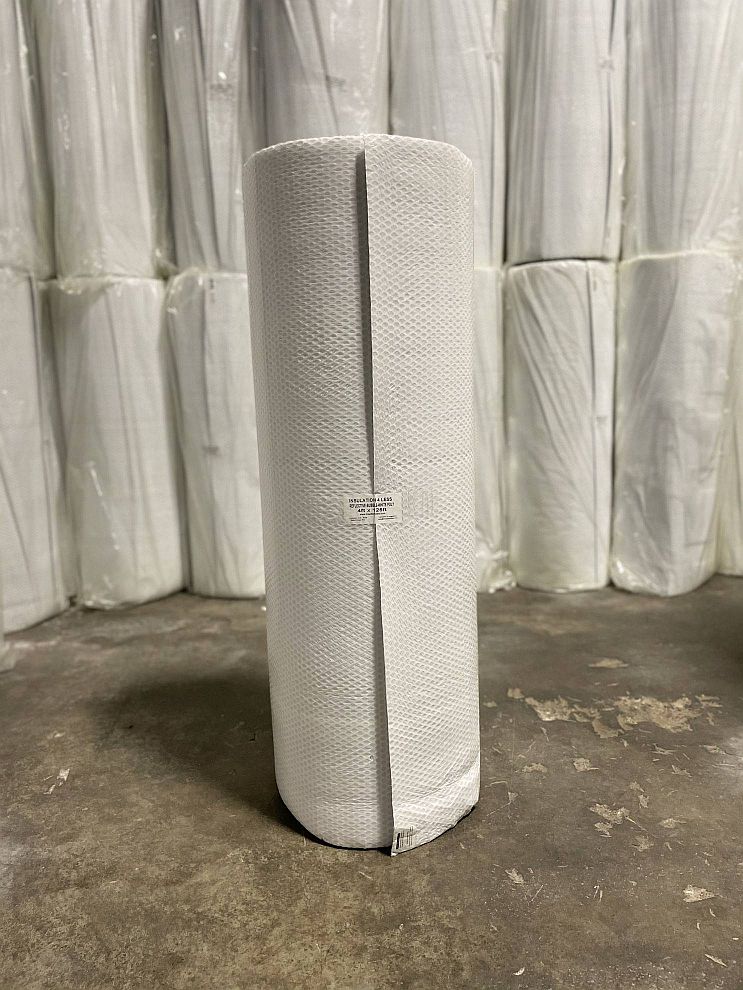
Reflective Bubble White Poly Insulation
4 ft x 125 ft roll
Low-cost alternative to Prodex Total. Single bubble reflective insulation composed of 1 layer of 5/32 inch polyethylene bubble sandwiched between one metalized, low emissivity surface and white polyethylene.
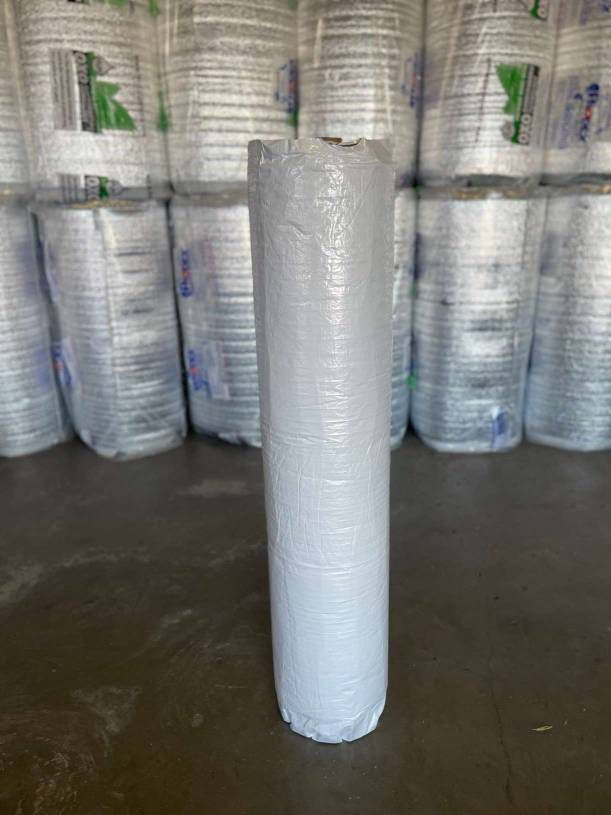
Foil Fiberglass Vinyl Insulation
4 ft x 125 ft roll and 6 ft x 125 ft rollReflective insulation composed of 1/4 inch fiberglass core bonded to one layer of reflective foil and one layer of durable white scrim-reinforced facing material.
Reasons To Buy Insulation Here:
- Independent Reviews at Site Jabber . Site Jabber is the leading destination for customer reviews of businesses.
- BBB report. For over 100 years, BBB has set the standard for ethical business behavior. We're proud to maintain an "A to A+" rating. This rating takes into account a company's size in its relation to complaints.
- ICC-ES Recognized - ICC-ES is an evaluation service that takes independent test data for a variety of products and analyses it against a uniform Acceptance Criteria that is recognized internationally.
- Over a million orders totaling more than 5 billion square feet of insulation sold.
What you can expect at Insulation For Less
- The best delivered price on insulation that matches our specifications - Visit Best Deals page
- Same day shipping
- Fast and comprehensive email responses to your sales and technical questions - Visit Contact us
Featured Articles
-
Metal Building Insulation – Stop Condensation, Heat, Cold and Air
Insulation For Metal Buildings - Prodex TotaI. STOPS Heat, Cold, Condensation and Air Transfer
-
Pole Barn Insulation – Stop Cold, Condensation, Heat and Air
Prevent Condensation , Stop Heat Transfer, Stop Air Transfer, Deaden Sound of Rain and Hail, Not Support Rodents, Bugs or Birds, Install Easily, Vapor Barrier, Not Promote Mold or Mildew, Not Leak
-
Reflective Insulation - Measuring Its R-value vs Fiberglass
R-value is R-value! It is the measurement of a material's ability to stop heat transfer. If two products have the same R-value, they have the same efficiency in stopping heat transfer.
-
House Insulation – Stop Cold, Moisture, Air and Heat
The 7 Features of The Best House Insulation?
-
Insulation4Less Reviews featuring Prodex Total Insulation
Links to Independent Reviews of Insulation4Less.com, How does Insulation 4 Less achieve such great reviews?, Who do we appeal to?, Parasite/Agenda Review Sites, Insulation4Less Reviews
-
Bubble: Single And Double Bubble Insulation vs Prodex Total
Bubble Insulation, Bubble Wrap, Foil Only Radiant Barriers and Prodex Total - What's The Difference?
-
Beware of resellers using Prodex Insulation images, descriptions and test results to sell their products in the USA and Canada
Images, Descriptions and Test Results of Prodex Total Reflective Insulation are Used By Resellers of Other Products