 Sep, 2021 • 3 mins read
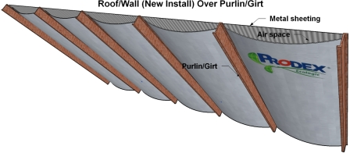
How To Insulate A Metal Building: Master Guide
New Structures, Retrofitting, Best Types Of Insulation + Recommendations
View Installation
 September, 2021 • 3 mins read
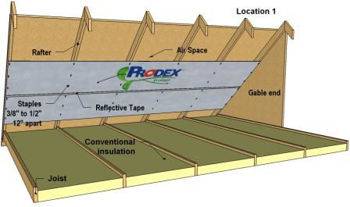
How To Insulate An Attic: A Master Guide
Use: Prodex 48 Inch, 10M, Fast Action, Perforated, 72 Inch, 24 Inch or 16 Inch.
View Installation
 October, 2021 • 3 mins read
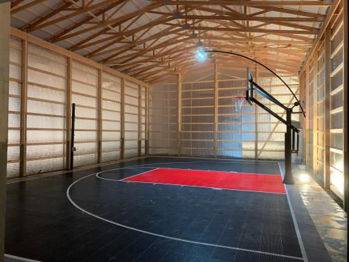
How To Insulate A Pole Barn: A Step-By-Step Expert Guide
Use: Prodex 48 Inch, Fast Action, 10M, White, 72 Inch, 24 Inch, 16 Inch, Rustic, Reflective Bubble Reflective or Foil Fiberglass Vinyl
View Installation
 July, 2020 • 3 mins read
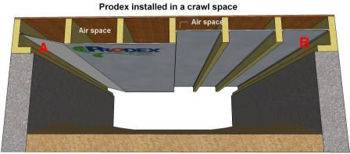
Crawl Space (click for Installation Instructions)
Use: Prodex 48 Inch, 10 M, Fast Action, 24 Inch, 16 Inch or Under Concrete (for installing on dirt floor).
View Installation
 July, 2020 • 3 mins read
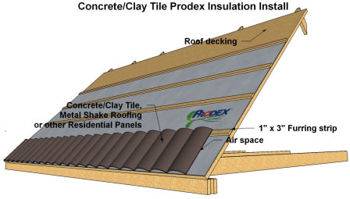
Roofing (click for Installation Instructions)
Use: Prodex 48 Inch, Fast Action, 72 Inch, 10M, Reflective Bubble Reflective or Foil Fiberglass Vinyl
View Installation
 July, 2020 • 3 mins read
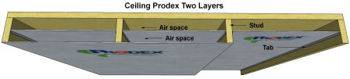
Ceilings (click for Installation Instructions)
Use: Prodex 48 Inch, Fast Action, 10M, 72 Inch, White, 24 Inch, 16 Inch, Rustic, Reflective Bubble Reflective or Foil Fiberglass Vinyl
View Installation
 July, 2020 • 3 mins read
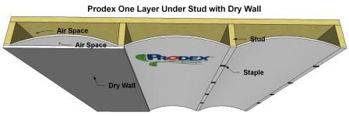
Walls (click for Installation Instructions)
Use: Prodex 48 Inch, Fast Action, 10M, 72 Inch, White, 24 Inch, 16 Inch or Rustic .
View Installation
 September, 2021 • 3 mins read
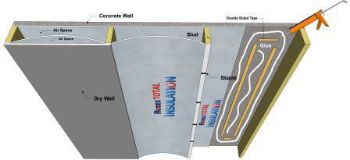
How To Insulate A Basement: An Expert Guide
Use: Prodex 48 Inch, Fast Action, 10M, 72 Inch, White, 24 Inch, 16 Inch or Rustic .
View Installation
 July, 2020 • 3 mins read
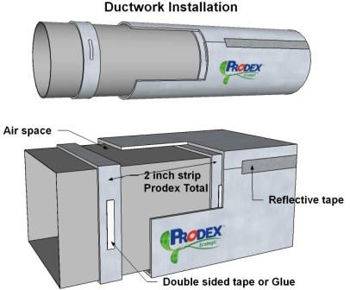
Air ducts and water pipe (click for Installation Instructions)
Use: Prodex 48 Inch, 10 M, 24 Inch or 16 Inch
View Installation
 July, 2020 • 3 mins read
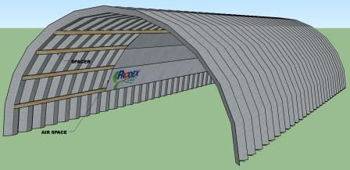
Quonset Hut (click for Installation Instructions)
Use: Prodex 48 Inch, 10 M, Fast Action, White, 72 Inch, Reflective Bubble Reflective or Foil Fiberglass Vinyl
View Installation
 July, 2020 • 3 mins read
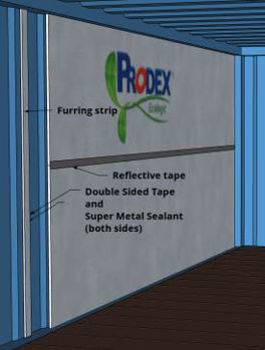
Shipping Container (click for Installation Instructions)
Use: Prodex 48 Inch, Fast Action, 10M, White, 72 Inch, Reflective Bubble Reflective or Foil Fiberglass Vinyl
View Installation
 July, 2020 • 3 mins read
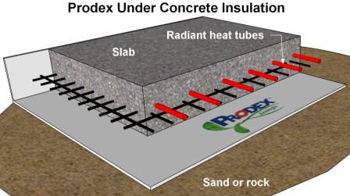
Radiant Heat in a Concrete Floor (click for Installation Instructions)
Use: Prodex Total Under Concrete or Reflective Bubble White Poly
View Installation
 July, 2020 • 3 mins read
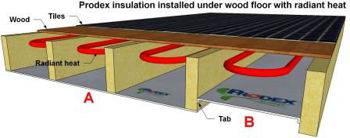
Radiant Heating Under a Wood Floor (click for Installation Instructions)
Use: Prodex 48 Inch, 10 M, Fast Action, 72 Inch, 24 Inch or 16 Inch
View Installation
 July, 2020 • 3 mins read
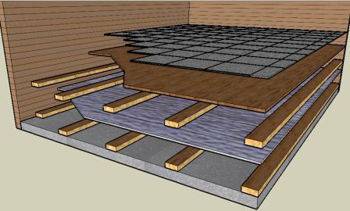
Concrete Floor (click for Installation Instructions)
Use: Prodex 10M, 48 Inch, Fast Action, Perforated, 72 Inch, 24 Inch, 16 Inch Or Reflective Bubble Reflective
View Installation
 July, 2020 • 3 mins read
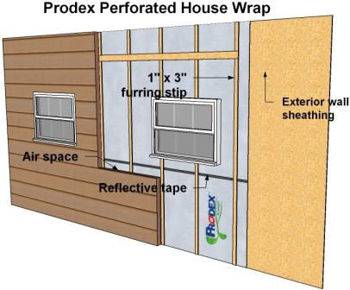
House Wrap (click for Installation Instructions)
Use: Prodex Perforated
View Installation
 July, 2020 • 3 mins read
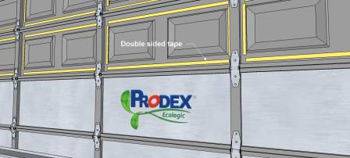
Garage Door Insulation Kit (Click for Installation Instructions)
Use: Prodex Garage Door Insulation Kit or any Prodex Roll
View Installation
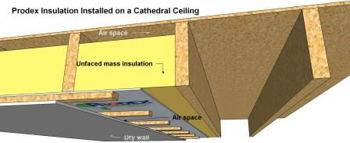 July, 2020 • 3 mins read
Cathedral Ceiling (click for Installation Instructions)
Use: Prodex 48 Inch, 10 M, Fast Action, White, 72 Inch, 24 Inch, 16 Inch, Reflective Bubble Reflective or Foil Fiberglass Vinyl
View Installation
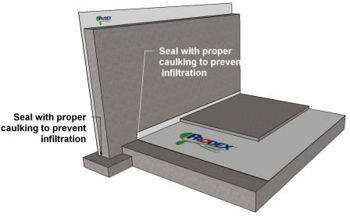 July, 2020 • 3 mins read
Radon Barrier (click for Installation Instructions)
Use: Prodex Under Uncrete Reflective Bubble White Poly
View Installation
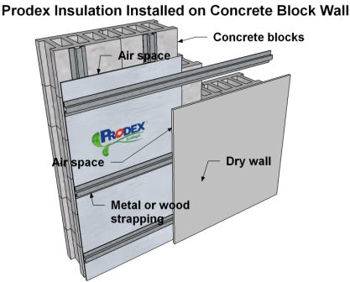 July, 2020 • 3 mins read
Concrete Block Wall (click for Installation Instructions)
Use: Prodex 48 Inch, Fast Action, White or 72 Inch.
View Installation
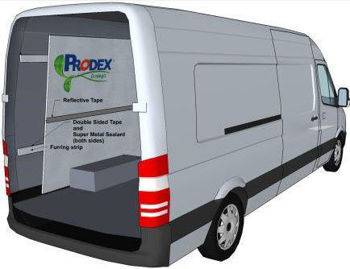 July, 2020 • 3 mins read
Van - Sprinter or Cargo (click for Installation Instructions)
Use: Prodex 10 M or 24 Inch
View Installation
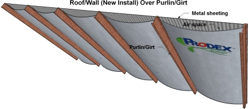
How To Insulate A Metal Building: Master Guide
New Structures, Retrofitting, Best Types Of Insulation + Recommendations
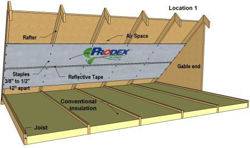
How To Insulate An Attic: A Master Guide
Use: Prodex 48 Inch, 10M, Fast Action, Perforated, 72 Inch, 24 Inch or 16 Inch.

How To Insulate A Pole Barn: A Step-By-Step Expert Guide
Use: Prodex 48 Inch, Fast Action, 10M, White, 72 Inch, 24 Inch, 16 Inch, Rustic, Reflective Bubble Reflective or Foil Fiberglass Vinyl
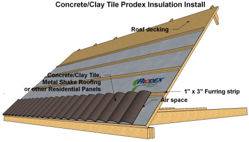
Roofing (click for Installation Instructions)
Use: Prodex 48 Inch, Fast Action, 72 Inch, 10M, Reflective Bubble Reflective or Foil Fiberglass Vinyl
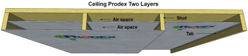
Ceilings (click for Installation Instructions)
Use: Prodex 48 Inch, Fast Action, 10M, 72 Inch, White, 24 Inch, 16 Inch, Rustic, Reflective Bubble Reflective or Foil Fiberglass Vinyl
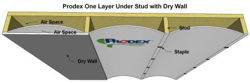
Walls (click for Installation Instructions)
Use: Prodex 48 Inch, Fast Action, 10M, 72 Inch, White, 24 Inch, 16 Inch or Rustic .
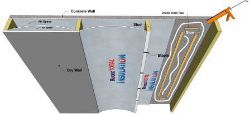
How To Insulate A Basement: An Expert Guide
Use: Prodex 48 Inch, Fast Action, 10M, 72 Inch, White, 24 Inch, 16 Inch or Rustic .
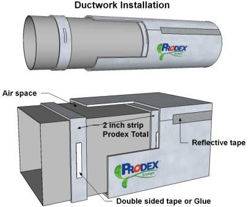
Air ducts and water pipe (click for Installation Instructions)
Use: Prodex 48 Inch, 10 M, 24 Inch or 16 Inch
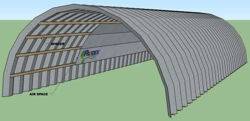
Quonset Hut (click for Installation Instructions)
Use: Prodex 48 Inch, 10 M, Fast Action, White, 72 Inch, Reflective Bubble Reflective or Foil Fiberglass Vinyl
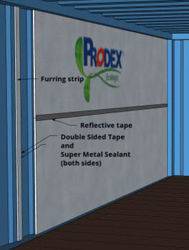
Shipping Container (click for Installation Instructions)
Use: Prodex 48 Inch, Fast Action, 10M, White, 72 Inch, Reflective Bubble Reflective or Foil Fiberglass Vinyl
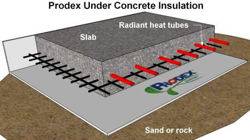
Radiant Heat in a Concrete Floor (click for Installation Instructions)
Use: Prodex Total Under Concrete or Reflective Bubble White Poly
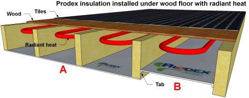
Radiant Heating Under a Wood Floor (click for Installation Instructions)
Use: Prodex 48 Inch, 10 M, Fast Action, 72 Inch, 24 Inch or 16 Inch
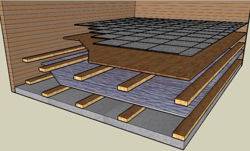
Concrete Floor (click for Installation Instructions)
Use: Prodex 10M, 48 Inch, Fast Action, Perforated, 72 Inch, 24 Inch, 16 Inch Or Reflective Bubble Reflective
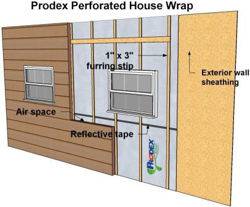
House Wrap (click for Installation Instructions)
Use: Prodex Perforated
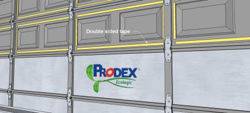
Garage Door Insulation Kit (Click for Installation Instructions)
Use: Prodex Garage Door Insulation Kit or any Prodex Roll
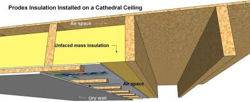
Cathedral Ceiling (click for Installation Instructions)
Use: Prodex 48 Inch, 10 M, Fast Action, White, 72 Inch, 24 Inch, 16 Inch, Reflective Bubble Reflective or Foil Fiberglass Vinyl
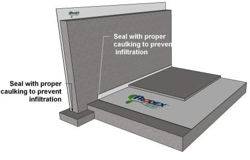
Radon Barrier (click for Installation Instructions)
Use: Prodex Under Uncrete Reflective Bubble White Poly
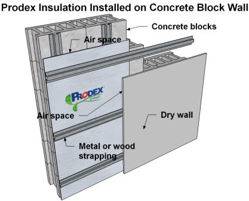
Concrete Block Wall (click for Installation Instructions)
Use: Prodex 48 Inch, Fast Action, White or 72 Inch.
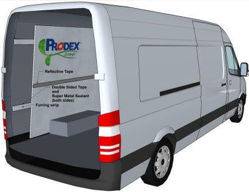
Van - Sprinter or Cargo (click for Installation Instructions)
Use: Prodex 10 M or 24 Inch
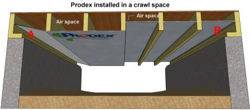
Crawl Space (click for Installation Instructions)
Use: Prodex 48 Inch, 10 M, Fast Action, 24 Inch, 16 Inch or Under Concrete (for installing on dirt floor).