Bubble Insulation, Single Bubble, Double Bubble and Prodex Total Compared
Bubble insulation and Prodex Total are both used in metal buildings, pole barns, homes, garages, workshops, attics, roofs, walls, and crawlspaces. Both are considered reflective insulation products that help reduce radiant heat transfer while providing vapor barrier protection. However, the similarities largely end there.
The biggest difference is in the insulation core. Traditional bubble insulation relies on one or two layers of encapsulated air bubbles, while Prodex Total uses a closed-cell polyethylene foam core with reinforced reflective foil. That difference significantly affects durability, thermal performance, condensation control, and long-term energy efficiency.
This guide compares single bubble insulation, double bubble insulation, foil-only radiant barriers, and Prodex Total to help you understand the strengths, limitations, and best applications for each insulation system.
What Is Bubble Insulation?
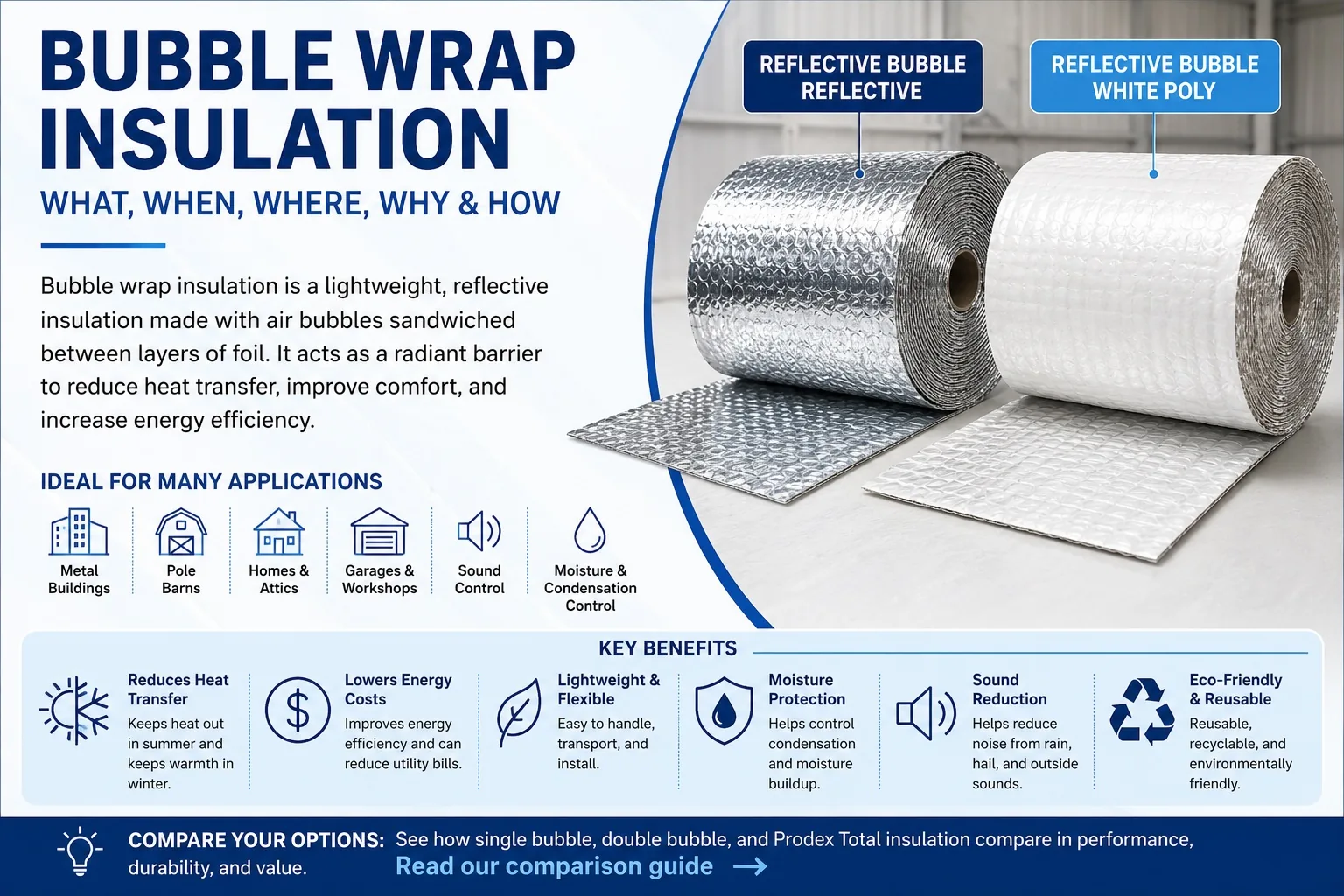
Bubble insulation is a type of reflective insulation made with one or two layers of encapsulated polyethylene air bubbles sealed between reflective, low-emissivity surfaces. It is commonly sold as single bubble insulation or double bubble insulation and is used in metal buildings, pole barns, garages, workshops, crawlspaces, attics, roofs, walls, and many other residential, agricultural, and commercial applications.
The reflective surfaces help reduce radiant heat transfer, while the encapsulated air bubbles provide a modest thermal break and function as a vapor barrier. Because bubble insulation relies on trapped air rather than a closed-cell foam core, its long-term performance can be affected if the bubbles become compressed or punctured.
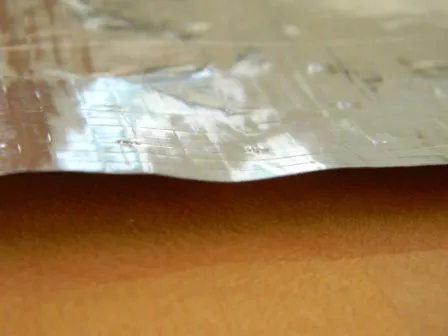
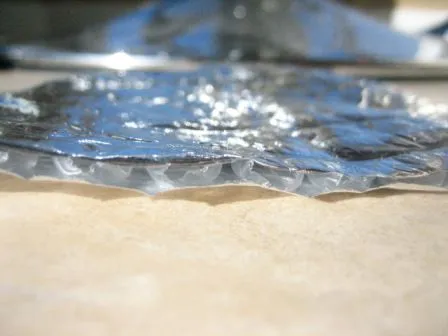
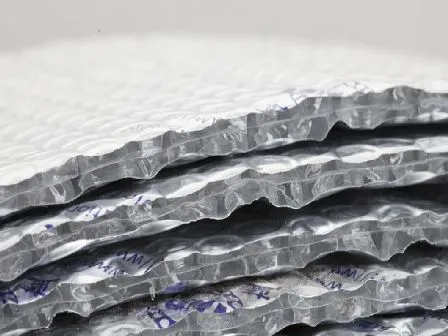
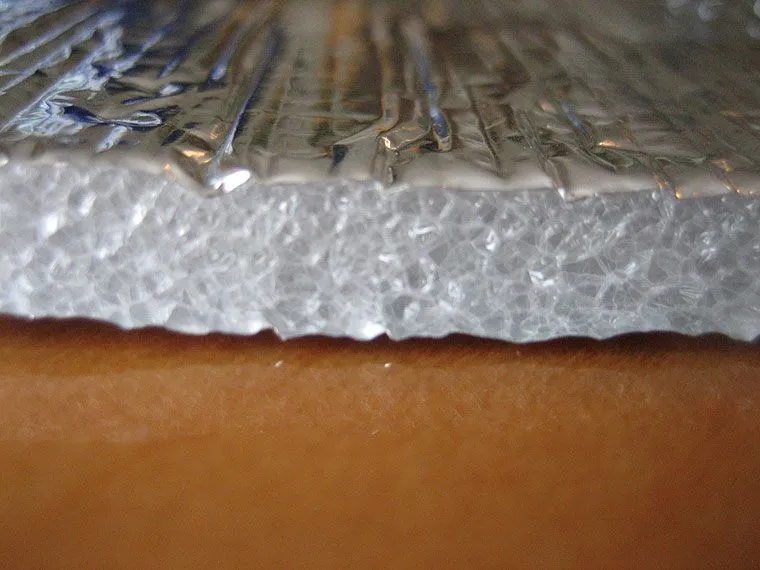
The images and comparison below illustrate the structural differences between foil-only radiant barriers, bubble insulation, and Prodex Total. Notice how the closed-cell foam core gives Prodex Total real body and strength. Under a pressure of 6 PSI, the foam compresses only about 6% and returns to its original shape when the load is removed, helping maintain consistent insulation performance over time.
Single Bubble Insulation Products
Single bubble insulation is available in several configurations depending on the desired finish and application. Below are two common single bubble reflective insulation products offered by Insulation4Less: Reflective Bubble Reflective and Reflective Bubble White Poly.
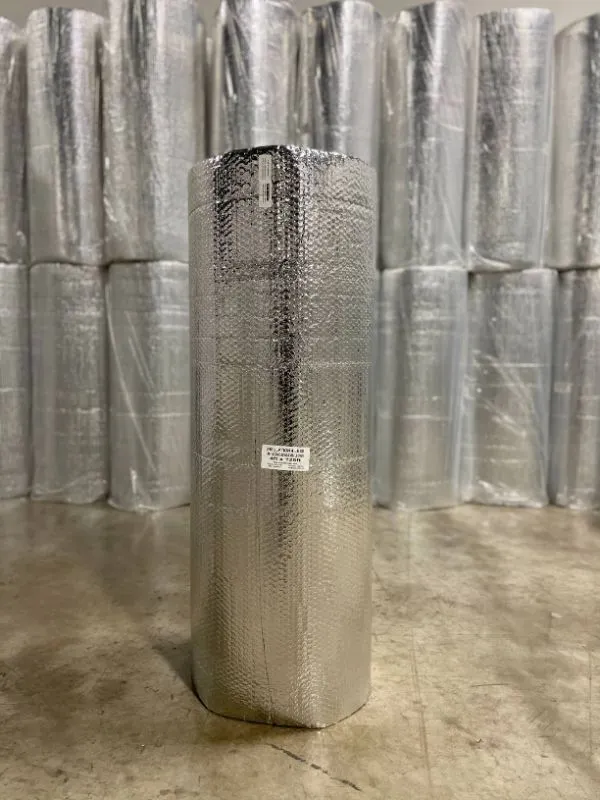
Reflective Bubble Reflective Insulation is a single bubble insulation product constructed with one layer of polyethylene air bubbles laminated between two reflective, low-emissivity surfaces. This reflective bubble insulationhelps reduce radiant heat transfer while providing a lightweight thermal break and vapor barrier.
It is commonly used in metal buildings, pole barns, garages, workshops, crawlspaces, warehouses, and agricultural buildings where an economical reflective insulation solution is desired.
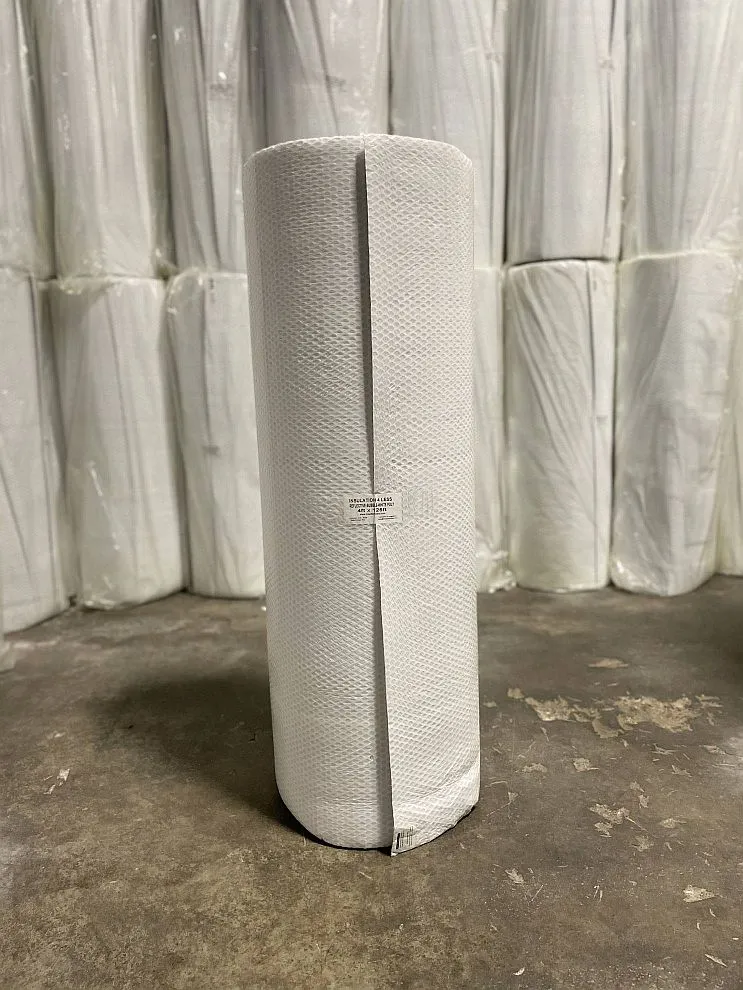
Reflective Bubble White Poly Insulation features the same single bubble insulation core but replaces one reflective surface with a durable white polyethylene finish. The bright white interior appearance makes it a popular choice for garages, workshops, utility buildings, storage areas, and other applications where appearance is important.
Like other reflective bubble insulation products, it helps reduce radiant heat transfer and functions as a vapor barrier. However, because it relies on encapsulated air bubbles rather than a closed-cell foam core, its long-term durability and thermal performance are more limited than Prodex Total.
What Is Single Bubble Insulation?
Single bubble insulation is a type of reflective bubble insulation made with one layer of polyethylene air bubbles laminated between reflective, low-emissivity surfaces. The trapped air provides a modest thermal break, while the reflective surfaces help reduce radiant heat transfer. Because it uses a single bubble layer, it has a thinner profile and lower cost than double bubble insulation.
Single bubble insulation is commonly used in metal buildings, pole barns, garages, workshops, crawlspaces, roofs, walls, attics, and other residential, agricultural, and commercial applications where a lightweight reflective insulation is desired. It is also a popular choice for budget-conscious projects where radiant heat control is important but maximum thermal performance is not required.
While single bubble insulation is an economical solution, it relies on encapsulated air bubbles for its core. If those bubbles become compressed or punctured, performance can be reduced over time. For projects requiring greater R-value, improved condensation control, and long-term durability, many contractors choose closed-cell foam reflective insulation such as Prodex Total.
What Is Double Bubble Insulation?
Double bubble insulation is a type of reflective bubble insulation that contains two layers of polyethylene air bubblessealed between reflective, low-emissivity surfaces. The additional bubble layer creates a thicker insulation product than single bubble insulation and provides a slightly greater thermal break.
Because of its increased thickness, double bubble insulation is often selected for projects where additional separation between surfaces is desired. It is commonly used in metal buildings, pole barns, garages, workshops, warehouses, agricultural buildings, and other structures where reflective insulation is installed to help reduce radiant heat transfer.
The extra bubble layer also increases the material cost compared to single bubble insulation. However, despite its greater thickness, double bubble insulation still relies on trapped air within the bubble layers for its performance. If the bubbles become compressed or punctured during installation or over time, the insulation's effectiveness can be reduced. If you're considering a bubble insulation for its lower cost, we suggest you purchase single bubble because double bubble is like paying for more air in a ballon.
For projects that require higher thermal performance, superior condensation control, greater durability, and long-term resistance to compression, many builders choose closed-cell foam reflective insulation such as Prodex Total. Its reinforced foil facings and polyethylene foam core provide a more durable insulation system that maintains its performance over time.
Single Bubble Insulation is a good choice when affordability is the primary consideration. It offers a lightweight reflective insulation system that is easy to transport, handle, and install, making it suitable for many residential, agricultural, and light commercial applications.
Double Bubble Insulation provides a thicker profile by adding a second layer of encapsulated air bubbles. While this creates a slightly greater thermal break than single bubble insulation, it also increases material cost and still relies on trapped air for its insulating performance.
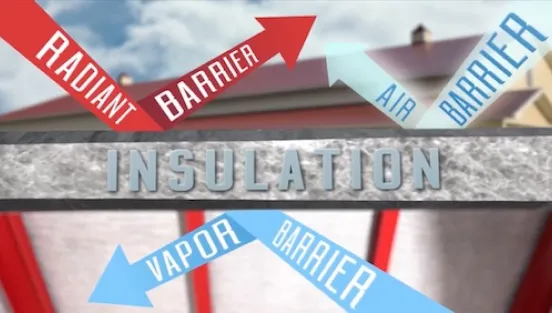
Prodex Total is engineered for projects where long-term performance matters most. Its closed-cell polyethylene foam core and reinforced reflective foil provide superior thermal insulation, condensation control, durability, and energy efficiency. Unlike bubble insulation, Prodex Total resists compression, seals around fasteners, and combines insulation, a radiant barrier, an air barrier, and a Class 1 vapor barrier into one high-performance product.
Should You Choose Single Bubble Insulation, Double Bubble Insulation, or Prodex Total?
The best insulation for your project depends on your budget, performance expectations, and long-term goals. Single bubble insulation and double bubble insulation are both economical reflective insulation products that help reduce radiant heat transfer and provide a vapor barrier. However, both rely on encapsulated air bubbles for their insulating core, making them more susceptible to compression, punctures, and reduced performance over time. If you're considering a bubble insulation for its lower cost, we suggest you purchase single bubble because double bubble is like paying for more air in a ballon.
| If Your Priority Is... | Recommended Product |
|---|---|
| Lowest initial cost | Single Bubble Insulation |
| Thicker reflective insulation | Double Bubble Insulation |
| Basic radiant heat control | Single or Double Bubble Insulation |
| Better condensation control | Prodex Total |
| Higher thermal performance | Prodex Total |
| Long-term durability | Prodex Total |
| Air barrier and Class 1 vapor barrier | Prodex Total |
| All-in-one insulation solution | Prodex Total |
Single Bubble Insulation is a good choice when affordability is the primary consideration. It offers a lightweight reflective insulation system that is easy to transport, handle, and install, making it suitable for many residential, agricultural, and light commercial applications.
Double Bubble Insulation provides a thicker profile by adding a second layer of encapsulated air bubbles. While this creates a slightly greater thermal break than single bubble insulation, it also increases material cost and still relies on trapped air for its insulating performance.
Prodex Total is engineered for projects where long-term performance matters most. Its closed-cell polyethylene foam core and reinforced reflective foil provide superior thermal insulation, condensation control, durability, and energy efficiency. Unlike bubble insulation, Prodex Total resists compression, seals around fasteners, and combines insulation, a radiant barrier, an air barrier, and a Class 1 vapor barrier into one high-performance product.
The following sections explain in greater detail why the construction and materials used in Prodex Total provide significant advantages over traditional bubble insulation and foil-only radiant barriers.
Foil-Only Products Are Not Insulation
Foil-only radiant barriers are often mistaken for reflective insulation, but they are not insulation. Unlike bubble insulation and closed-cell foam reflective insulation, foil-only products contain no insulating core and are designed primarily to reduce radiant heat transfer. They provide virtually no resistance to conductive heat flow, offer no meaningful thermal break, and should not be relied upon as a complete insulation system where energy efficiency, condensation control, and long-term performance are important.
Foil-only products are typically perforated and composed of two metalized surfaces with a reinforcing mesh for strength. Because they have no insulating core, they function as radiant barriers rather than insulation. In contrast, Prodex Total combines a reinforced reflective foil facing with a closed-cell polyethylene foam core to provide thermal insulation, a radiant barrier, an air barrier, and a Class 1 vapor barrier—all in one product.
Bubble Insulation vs. Prodex Total: A Side-by-Side Comparison
Although bubble insulation and Prodex Total are both used in metal buildings, pole barns, homes, garages, workshops, attics, roofs, walls, and crawlspaces, their construction and long-term performance are very different. Both products are considered reflective insulation systems and help reduce radiant heat transfer while providing vapor barrier protection. However, that's where most of the similarities end.
The biggest difference is the insulating core. Single bubble insulation and double bubble insulation rely on encapsulated polyethylene air bubbles to provide a thermal break. Prodex Total uses a reinforced reflective foil bonded to a closed-cell polyethylene foam core that resists compression, maintains its thickness, and delivers superior thermal performance, durability, and condensation control.
| Feature | Single Bubble Insulation | Double Bubble Insulation | Prodex Total |
|---|---|---|---|
| Core | One polyethylene air bubble layer | Two polyethylene air bubble layers | Closed-cell polyethylene foam |
| Reflective Surface | Metalized reflective film | Metalized reflective film | Reinforced reflective foil |
| Thermal Insulation | Limited | Limited | R17–R22 System R-Value |
| Radiant Barrier | Yes | Yes | Yes |
| Vapor Barrier | Yes | Yes | Built-in Class 1 Vapor Barrier |
| Air Barrier | Limited | Limited | Yes (sealed seams) |
| Condensation Control | Moderate | Moderate | Excellent |
| Compression Resistance | Air bubbles can collapse | Air bubbles can collapse | Resists compression and rebounds |
| Long-Term Durability | Moderate | Moderate | Excellent |
| Typical Applications | Budget-conscious projects | Slightly greater thermal break | Residential, agricultural & commercial buildings |
What is the Difference between Single Bubble and Double Bubble Insulation?
Bubble insulation is composed of either one (single bubble) or two (double) layers of air bubbles sandwiched between two metalized surfaces. Once either is punctured, it collapses (POPS)! Single bubble has a nominal thickness of 5/32 inch. Double bubble measures 5/16 inch. These measurements bear little resemblance to the effective measurement of the products (photos above).
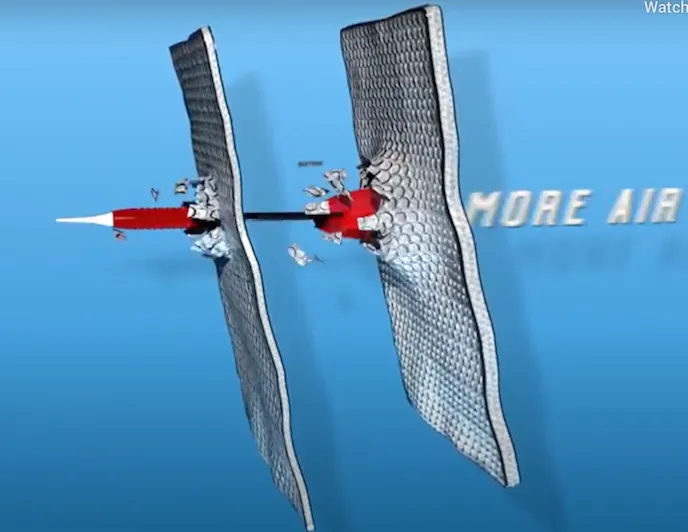
We see little difference between the performance of single and double bubble wrap insulation. The latter simply has a second layer of air bubbles (A balloon with more air). Although we strongly recommend Prodex Total over either, if your budget doesn't allow you to purchase the quality of Prodex, we suggest you order single bubble insulation rather than a double bubble. You'll get virtually all the benefits of the double bubble while saving money.
Want to learn more about bubble wrap insulation? Read our complete Bubble Wrap Insulation Guide to learn how it's manufactured, where it's commonly used, insulation tips, and whether single or double bubble insulation is the best choice for your period.
Because bubble insulation has a core composed of air rather than closed cell polyethylene foam, it lacks the long-term consistency in performance of Prodex Total Insulation.
Foil only products are typically perforated and composed of two metalized surfaces with a mesh woven in for strength. It is not a vapor barrier, it has no R-value - It is not insulation per se. It's a thin layer of reflective low emissivity film installed with an airspace to block radiant heat transfer between a surface that radiates heat. We refer to these products as foil only radiant barriers.
Unlike foil only products (no inner substance), Prodex Total protects against the energy transferred via conduction and convection. Prodex is a radiant barrier + insulation + Vapor Barrier. More than just a radiant barrier, Prodex Total is one solution for Heat, Cold, and Water. Prodex prevents condensation, heat from coming in and heat from getting out of your building!
If you're insulating a steel structure, see why contractors prefer insulation for steel buildings that combine insulation, a radiant barrier, air barrier, and vapor barrier into one product.
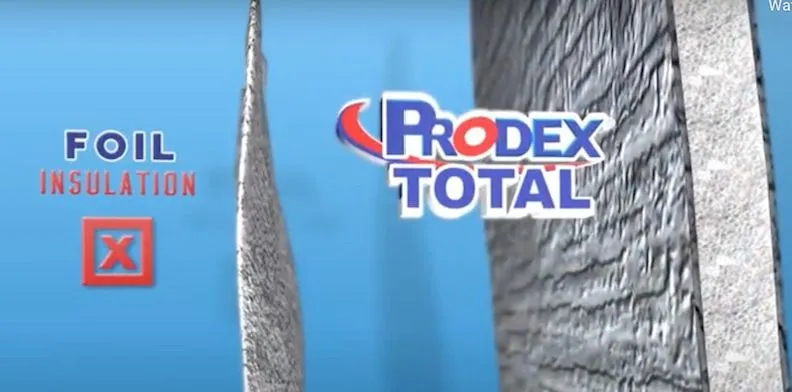
Prodex Total Difference: HIGER R | STRONGER | SAFER compared to Bubble Insulation
- Reflective reinforced foil
- Closed-cell polyethylene FOAM center
- Seals around nails (no leak)
- Keeps its shape over time (doesn't collapse)
- Rippled surface increases airflow
- Green product
- Passes stringent fire tests (See technical data tab on product pages)
- Does not promote mold or mildew
- Does not provide for nesting of rodents, bugs or bird
- Prevents 97% of radiant heat transfer
- Vapor barrier
- Prevents condensation
Prodex Total Insulation Solves Condensation, Heat and Cold Challenges
Any metal building or pole barn that uses fiberglass insulation rather than Prodex Total will have moisture issues (hidden behind facing), Loss of R-value (consequence of the moisture) and heat gain. Learn why contractors choose Prodex Total for insulation for metal buildings, house insulation and insulation for pole barns.
Learn more about reflective insulation
Prodex Total Eliminates Condensation
Prodex eliminates the moisture and ice dams from forming on roof and walls. When the heat or cold from outside comes through the sheathing it hits the outside aluminum facing of Prodex and is reflected back upwards through the underside of the sheathing. This process keeps the sheathing temperature consistent on both sides. In addition, the inside layer of aluminum in Prodex reflects away the heat (heater) or cold (air-conditioning) from inside the building, from getting to the sheathing. This also helps in preventing condensation
Prodex Total Insulation (Vapor Barrier, Class 1. perm<0.1 ).
Proper pole building insulation helps eliminate condensation before it can lead to rust, mold, and structural damage.
Prodex Total Prevents Radiant Heat Transfer
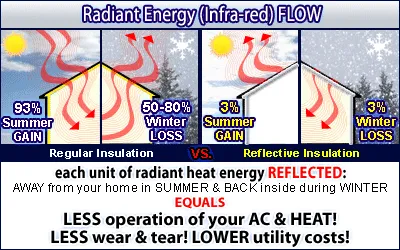
Prodex Total reflects 97% of the radiant energy (primary source of heat flow) that strikes it. This is one reason Prodex Total has become a preferred choice for insulation for steel buildings where controlling radiant heat is critical. Prodex also reflects back the heat inside your building or home. Each unit of radiant heat energy that is reflected away from your building or home in the summer, and each unit that is reflected back during the winter, means less operation of your heating and air conditioning system - Less wear and tear on your equipment - Less money you pay in utility costs.
Prodex Total Keeps You Warm
The Prodex Total R-value is not affected by humidity. This feature cannot be over emphasized. There is humidity in every location. Your insulation must work in these conditions.
Prevents Rodents, Bugs and Birds from Nesting
Unlike fiberglass insulation, Prodex does not provide for the nesting of rodents, bugs and birds. Rodents, bugs and birds aren't able to digest the aluminum.
Deadens Sound of Rain and Hail
Metal skin on a building can exaggerate the sound of rain and hail. Prodex has an excellent 19db sound deadening.
Increased Lighting Efficiency
Prodex provides a bright, attractive finish to your building. It reflects the light, making it easier to light the building interior.
Beware - Companies are using Prodex Insulation images, descriptions and test results to sell their inferior products in the USA and Canada. If you see product descriptions that appear similar to Prodex Total, please let us know.
Where Is Prodex Total Most Commonly Used?
Prodex Total is trusted by homeowners, contractors, farmers, and commercial builders for projects that demand long-term energy efficiency, moisture control, and condensation protection. Whether you're looking for house insulation, insulation for metal buildings, or pole barn insulation, Prodex Total combines thermal insulation, a radiant barrier, an air barrier, and a Class 1 vapor barrier into one high-performance product.
Frequently Asked Questions About Bubble Insulation
Still have questions? Below are answers to some of the most common questions about bubble insulation, single bubble insulation, and double bubble insulation.
What is bubble insulation?
Bubble insulation is a reflective insulation product made with one or two layers of polyethylene air bubbles sealed between reflective, low-emissivity surfaces. It helps reduce radiant heat transfer while providing a modest thermal break and vapor barrier. Bubble insulation is commonly used in metal buildings, pole barns, garages, workshops, and other structures where a lightweight reflective insulation system is desired.
What is single bubble insulation?
Single bubble insulation contains one layer of encapsulated polyethylene air bubbles between reflective surfaces. It is thinner and more economical than double bubble insulation, making it a popular choice for projects where radiant heat control and affordability are priorities.
What is double bubble insulation?
Double bubble insulation contains two layers of encapsulated polyethylene air bubbles between reflective surfaces. The additional bubble layer increases the material's thickness, but it still relies on trapped air for its insulating performance and can lose effectiveness if the bubbles become compressed or punctured.
Which is better, single bubble insulation or double bubble insulation?
The best choice depends on your project and budget. Single bubble insulation generally provides the best value for economical reflective insulation applications. Double bubble insulation offers a thicker profile and a slightly greater thermal break, but both products rely on air bubbles for performance. For maximum R-value, durability, and condensation control, many contractors choose closed-cell foam reflective insulation such as Prodex Total.
Does bubble insulation have an R-value?
Yes. Bubble insulation provides a modest R-value and helps reduce radiant heat transfer when installed with the appropriate air space. Overall performance depends on the installation method, air gap, and maintaining the integrity of the bubble core.
Is bubble insulation good for metal buildings?
Bubble insulation is commonly used in metal buildings because it reflects radiant heat and functions as a vapor barrier. However, for projects where condensation control, higher thermal performance, and long-term durability are critical, many builders choose closed-cell foam reflective insulation such as Prodex Total.
How long does bubble insulation last?
The service life of bubble insulation depends on installation quality, environmental conditions, and whether the bubble core remains intact. Because its performance relies on encapsulated air bubbles, punctures, compression, or long-term wear can reduce effectiveness. Products with a closed-cell foam core, such as Prodex Total, are generally more resistant to compression and maintain their performance over a longer period
Summary:
Bubble insulation lacks the quality core and reinforced surface of Prodex Total. It takes more than metalized film and air to make a quality insulation. If you only have metalized film and a mesh, you don't have insulation. If your product is composed of air bubbles, it's subject to collapse in time or lose effectiveness when punctured. It requires a quality core of foam and reinforced foil to make a great insulation.
Beware of imitations.
Prodex Total is the standard bearer in the industry. Whether you're looking for insulation for metal buildings, pole barn insulation or house insulation, Prodex Total delivers insulation, a radiant barrier, vapor barrier and air barrier -- all in one product.