A Complete House Insulation System Includes Prodex Total - Stop Heat, Cold, Moisture, and Air
When it comes to making your home more energy-efficient, comfortable, and durable, proper insulation is one of the most effective solutions. Whether you're building a new home or upgrading an existing one, understanding insulation
Jump to: Featured House Insulation For Sale - Prodex Total
Why It's Important To Insulate Your House
Insulation acts as a barrier to heat flow, helping to keep your home warm in the winter and cool in the summer. Beyond temperature control, it also:
- Reduces Energy Costs: Proper insulation lowers your heating and cooling expenses by minimizing heat loss or gain.
- Prevents Moisture Issues: Insulation can help prevent condensation, reducing the risk of mold and mildew.
- Improves Comfort: By maintaining consistent indoor temperatures, insulation enhances overall comfort.
- Minimizes Noise: Certain insulation materials can also reduce sound transmission between rooms and from outside.
House Insulation Solutions for Every Type of Home
No two homes are built exactly the same. Whether you are insulating a traditional wood-framed house, a metal barndominium, a tiny house, a mobile home, or a shipping container converted into living space, choosing the right house insulation can make a major difference in comfort, energy efficiency, moisture control, and long-term durability.
Prodex Total helps solve the most common home insulation problems:
Excessive summer heat
Winter heat loss
Condensation and moisture
Air movement and drafts
High heating and cooling costs
Prodex Total combines insulation, radiant barrier protection, vapor barrier protection, condensation control, and energy efficiency in one all-in-one insulation solution.
Traditional House Insulation
A complete home insulation system should protect the roof, ceilings, attic, walls, floors, crawl spaces, basement, garage, and air ducts. Prodex Total can be installed in new homes or used to improve insulation in existing houses. It helps reduce radiant heat transfer, slow heat loss, control moisture, and create a more comfortable indoor environment throughout the year.
Tiny House Insulation
Tiny houses have limited space for thick insulation systems, making insulation thickness and performance especially important. Our Tiny House Insulation Guide explains how Prodex Total can help insulate the roof, walls, ceiling, and floor while preserving valuable interior living space. Because Prodex Total combines multiple forms of protection in one thin product, it is an effective insulation option for tiny houses, cabins, sheds converted into homes, and other compact living spaces.
Mobile Home Insulation
Mobile homes and manufactured homes can experience excessive summer heat, cold floors, winter heat loss, drafts, and moisture beneath the structure. Our Mobile Home Insulation Guide explains how to improve mobile home insulation in roofs, ceilings, walls, floors, crawl spaces, and underbelly areas. Prodex Total helps reflect radiant heat, reduce unwanted air movement, and provide vapor barrier protection without absorbing moisture.
Shipping Container Home Insulation
Steel shipping containers transfer heat and cold quickly. Without effective insulation, a shipping container home can become extremely hot in summer, cold in winter, and vulnerable to condensation. Our complete Shipping Container Insulation Guide explains how to insulate container roofs, walls, ceilings, and floors while helping prevent moisture from forming against the steel. Prodex Total is especially well suited for shipping container homes because it provides insulation, radiant barrier protection, vapor barrier protection, and condensation control in one product.
Metal Barndominium Insulation
Barndominiums combine residential living spaces with metal-building construction. This creates insulation challenges that are different from those found in conventional wood-framed houses. The metal roof and walls can transfer radiant heat, lose heat during winter, and develop condensation when warm interior air contacts cold metal surfaces. Our Metal Barndominium Insulation Guide explains how Prodex Total helps protect barndominium roofs, walls, ceilings, and living areas from heat, cold, moisture, and condensation.
Trailer Insulation
Whether you're converting an enclosed cargo trailer into a workshop, office, toy hauler, or full-time living space, proper insulation is essential for controlling heat, cold, condensation, and moisture. Our Trailer Insulation Guide explains how to insulate trailer roofs, walls, and floors using Prodex Total while maximizing interior space and minimizing unwanted heat transfer.
Yurt Insulation
Yurts present unique insulation challenges because of their circular design and fabric coverings. Choosing the right insulation helps improve comfort in every season while reducing heating and cooling costs. Our Yurt Insulation Guide explains how reflective insulation can help keep yurts cooler during summer, warmer during winter, and protected against condensation and moisture.
One Insulation System for Many Types of Homes
Prodex Total can be used as insulation for:
Traditional houses
New home construction
Existing home renovations
Tiny houses
Mobile homes
Manufactured homes
Shipping container homes
Metal barndominiums
Cabins
Workshops converted into living spaces
Garages with conditioned rooms
Residential additions
Yurts
Trailers
Instead of installing separate insulation, radiant barrier, and vapor barrier products, Prodex Total combines all three functions into one system.
Prodex Total = Insulation + Radiant Barrier + Vapor Barrier — All in One Product.
Cool in the Summer. Warm in the Winter. Dry all the Time. One Solution to heat, cold and Condensation - Prodex Total.
What Is the Best Insulation for a House?
The best insulation for a house depends on the home's construction, climate, moisture exposure, and the area being insulated.
Roofs, attics, ceilings, walls, crawl spaces, floors, basements, and garages do not all experience heat, cold, air, and moisture in the same way. A complete house insulation system should address more than conductive heat transfer alone.
Prodex Total provides several forms of protection in one product:
Thermal insulation
Radiant heat reflection
Vapor barrier protection
Condensation control
Air barrier protection
Moisture resistance
Mold and mildew resistance
If you're evaluating spray foam as part of your home insulation project, our comprehensive Spray Foam Insulation Guide explains how open-cell and closed-cell spray foam perform, discusses R-value, air sealing, moisture control, installation methods, DIY spray foam kits, and compares spray foam with fiberglass, mineral wool, cellulose, foam board, and reflective insulation to help you choose the right insulation system for your home.
This makes Prodex Total an effective home insulation solution for many residential applications, either as a standalone insulation system or in combination with fiberglass, cellulose, or other insulation materials.
Choose the Right Insulation for Your Home
Whether you need insulation for a house, tiny home, mobile home, shipping container home, or metal barndominium, the goal is the same: create a more comfortable, energy-efficient, and moisture-resistant living space. Prodex Total helps stop heat, cold, condensation, moisture, and air movement while requiring fewer separate products and installation steps. Explore the residential insulation guides above, determine which areas of your home need protection, and choose the Prodex Total product that best fits your project.
Specialty Home Types
Barndominiums require a unique insulation strategy because they combine residential living spaces with metal-building construction. Learn more about effective bardominium insulation solutions.
Many homeowners also own detached garages, workshops, storage buildings, and other steel structures. If you're insulating one of these buildings, our complete guide to metal building insulation explains how to control condensation, reduce radiant heat transfer, and improve year-round comfort.
Key Areas to Insulate in Your Home - How To Do It
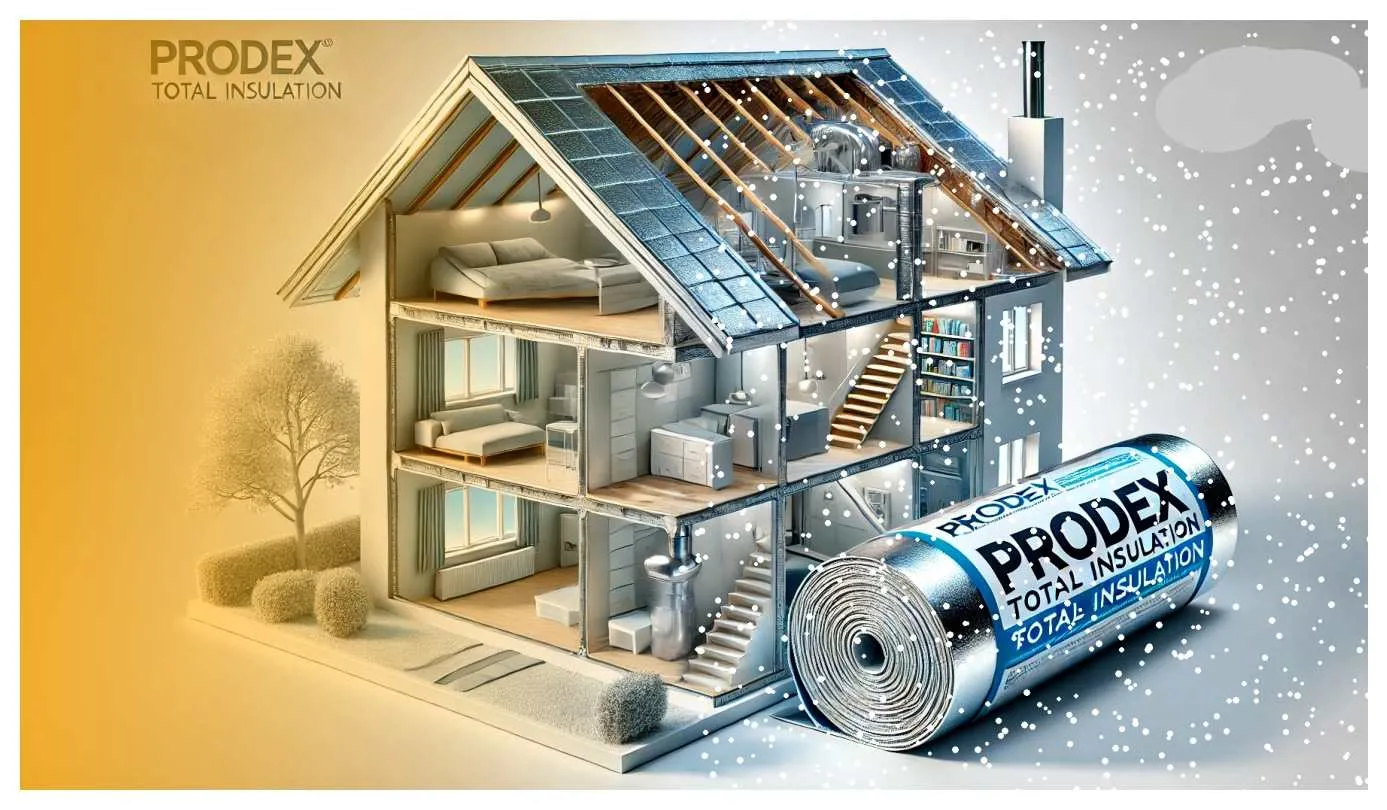
To achieve maximum energy efficiency and comfort, focus on insulating these critical areas:
1. Under Radiant Floor and Concrete Slabs
Insulating beneath radiant floor heating systems and concrete slabs is crucial for maximizing energy efficiency and comfort. Without proper insulation, a significant portion of the heat generated by radiant systems can be lost downward into the ground instead of warming your living space. Installing a reflective insulation layer under radiant floor systems helps direct heat upward, improving performance and reducing energy costs.
Similarly, under slab insulation beneath concrete floors creates a thermal break between the slab and ground, helping reduce heat loss, control moisture and improve year-round comfort.
For installation guidance, see How To Insulate A Concrete Slab and How To Insulate A Radiant Heat Floor.
2. Roofs and Ceilings
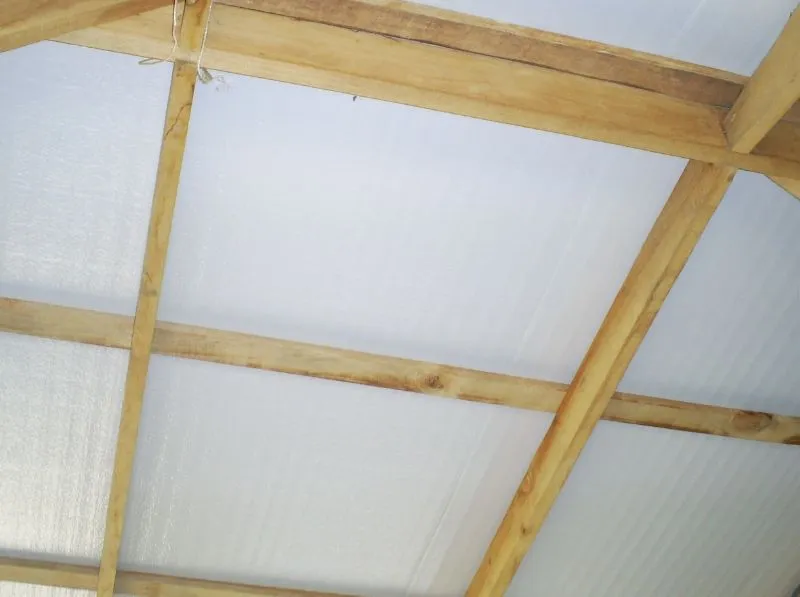
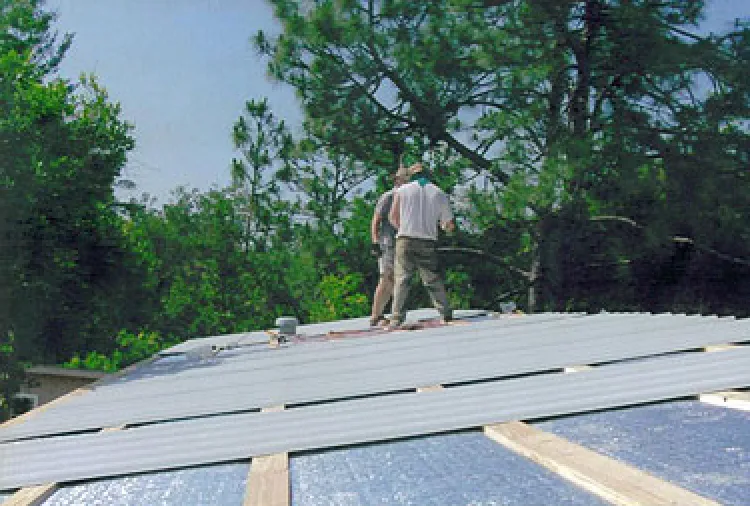
Roofs and ceilings are crucial areas to insulate for energy efficiency. Prodex Total Insulation works exceptionally well in these areas, reflecting radiant heat, preventing moisture buildup, and providing thermal resistance to keep your home comfortable year-round. For detailed guide, visit: How To Insulate A Roof and How To Insulate A Ceiling.
Since the roof is responsible for most of a home's heat gain during summer and heat loss during winter, choosing the right roof insulation is one of the most important decisions you can make for long-term energy efficiency and comfort. Our complete Roof Insulation Guide compares reflective insulation, fiberglass, spray foam, and other roof insulation systems to help you select the best solutions for your home, garage, workshop, or metal roof.
3. Attic
The attic is one of the primary sources of heat loss in a home. Insulating your attic properly can significantly reduce energy
4. Walls
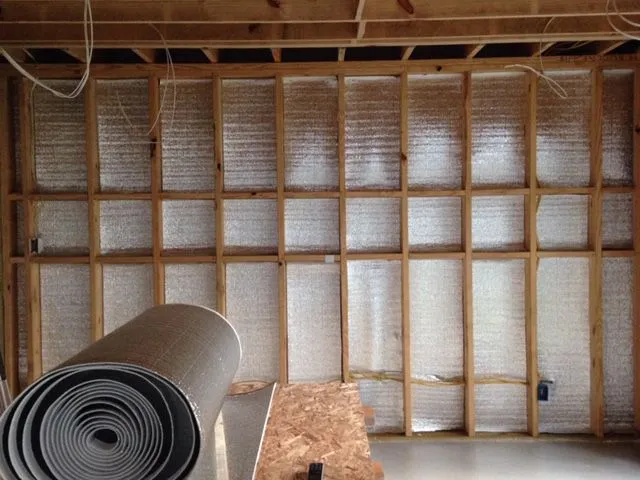
Wall insulation helps regulate the temperature inside your home by preventing heat transfer. Prodex Total Insulation is the ideal choice, as it combines lightweight durability with moisture prevention, outperforming fiberglass, spray foam, and rigid boards. For more detailed installation guide, see How To Insulate A Wall.
5. Floors
Uninsulated floors, especially concrete, can lead to significant energy loss. Prodex Total Insulation’s versatility and moisture resistance make it superior to rigid foam boards or spray foam in these areas. See detailed installation guide: How To Insulate A Concrete Floor.
6. Basements and Crawl Spaces
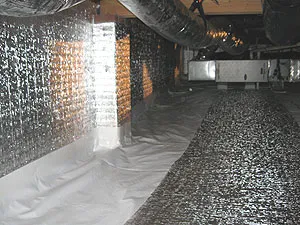
Basements and crawl spaces are prone to moisture issues, which can lead to mold and structural damage. Prodex Total Insulation provides excellent thermal performance and a robust vapor barrier, outperforming spray foam and rigid foam boards that may require additional treatments to address moisture concerns. For a comprehensive guide, see How To Insulate a Crawlspace.
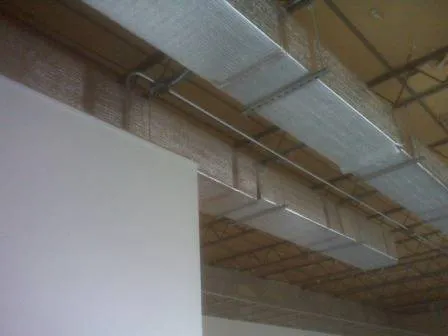
7. Air Ducts
Insulating air ducts reduces energy loss during heating or cooling. Prodex Total Insulation wraps ducts efficiently, preventing heat transfer and condensation, ensuring your HVAC system operates at peak performance. For guidance on air duct insulation, see How To Insulate Air Ducts And Water Pipes.
8. Garage
Often overlooked, the garage can be a significant source of heat loss or gain. Insulating your garage helps regulate temperatures, reducing energy costs and preventing cold drafts from affecting adjacent rooms. It also protects stored items from extreme temperature fluctuations and adds comfort if garage is used as workspace.
For more detailed guidance on garage insulation, check out this article: How to Insulate Your Garage
Types of House Insulation
Understanding the various insulation materials available can help you choose the best option for your needs:
Prodex Total Insulation
- Combines reflective insulation with thermal resistance to block radiant, conductive, and convective heat.
- Features a vapor barrier that prevents moisture issues, eliminating concerns of mold or mildew.
- Lightweight, durable, and easy to install in various applications, from walls to roofs and floors.
- Superior to other insulation types due to its all-in-one functionality and cost-effectiveness.
- Can be used in conjunction with fiberglass or blown-in insulation for added protection.
Fiberglass
- Lightweight and affordable but lacks a vapor barrier, leaving it susceptible to moisture and mold.
- Poor performance in high-humidity environments compared to Prodex Total Insulation.
- Can lose effectiveness over time due to moisture, settling or compression.
- When used alongside Prodex Total, fiberglass insulation can be protected from moisture and heat retention issues.
Spray Foam
- Expands to fill gaps and cracks, providing good air sealing but at a significantly higher cost.
- Requires professional installation and can be prone to overspray, making cleanup challenging.
- Lacks the reflective radiant heat barrier provided by Prodex Total Insulation.
- For detailed comparisons see: Spray foam insulation vs. fiberglass, rigid board and Prodex Total.
Rigid Foam Boards
- Durable and moisture-resistant but heavy and less flexible, making installation more difficult.
- Often requires additional layers or treatments to address radiant heat, increasing costs.
- Not as versatile or lightweight as Prodex Total Insulation
- Rigid foam board insulation is durable and moisture-resistant, making it a popular choice for foundation walls, below-grade applications, and continuous exterior insulation. However, it is heavier and less flexible than reflective insulation, can leave gaps around framing if not carefully installed, and often requires additional materials to provide radiant barrier or vapor barrier protection.
If you're comparing insulation systems, our comprehensive Foam Board Insulation Guide explains the differences between EPS, XPS, and Polyiso foam boards, where each performs best, and how foam board compares with reflective insulation for walls, roofs, basements, crawl spaces, garages, metal buildings, and other residential applications.
Blown-In Cellulose
- Eco-friendly and suitable for wall cavities and attics but lacks a vapor barrier.
- Susceptible to moisture absorption, which can reduce its effectiveness over time.
- Prodex Total Insulation can enhance its performance by providing a moisture barrier and reducing heat retention.
How Prodex Total Insulation Enhances Other Insulation Types in Homes
Prodex Total Insulation isn’t just a standalone solution; it can be used in combination with fiberglass or blown-in insulation to provide:
- Moisture Protection: Prodex’s built-in vapor barrier shields other insulation materials from moisture-related damage, extending their lifespan.
- Radiant Heat Reflection: By reflecting radiant heat, Prodex reduces the thermal load on fiberglass or cellulose, ensuring consistent performance even in extreme temperatures.
- Improved Energy Efficiency: When paired with other insulations, Prodex Total Insulation creates a comprehensive barrier against all forms of heat transfer (radiant, conductive, and convective).
How Insulation Prevents Cold, Moisture, Air, and Heat Issues
- Cold: Prodex Total Insulation minimizes heat loss effectively by combining thermal resistance with radiant heat reflection.
- Moisture: With a built-in vapor barrier, Prodex Total Insulation excels in preventing condensation and dampness, outperforming fiberglass and cellulose. By forming an interior barrier below the roof, Prodex Total prevents the warm, humid air inside your home from coming into contact with the cold roof surface. This feature not only stops condensation but also helps eliminate the formation of ice dams, which can cause significant damage to your roof and gutters.
- Air Leaks: Spray foam and Prodex Total Insulation both seal gaps and cracks, but Prodex adds the advantage of radiant heat reflection.
- Heat: Unlike other materials, Prodex Total Insulation reflects radiant heat, ensuring cooler indoor temperatures during summer.
Tips for Maximizing Insulation Efficiency
- Seal Air Leaks: Use caulk or weatherstripping to seal gaps around windows, doors, and electrical outlets.
- Choose the Right R-Value: The R-value measures thermal resistance; select insulation with an R-value suitable for your climate.
- Hire Professionals: For complex areas like spray foam application or retrofitting walls, professional installation ensures optimal performance.
- Don’t Overlook Ventilation: Proper ventilation works hand-in-hand with insulation to prevent moisture buildup and improve air quality.
- Consider Energy Audits: A professional energy audit can identify areas of energy loss and recommend insulation upgrades.
The Long-Term Benefits of Insulation In A Home
Investing in high-quality insulation not only reduces your utility bills but also increases your home’s resale value. Prodex Total Insulation offers the best combination of thermal resistance, moisture control, and durability, making it the ideal choice for homeowners seeking long-term benefits. When used in conjunction with other insulation types, it ensures a superior, all-encompassing solution for your home.
Upgrade Your Home Today
Ready to make your home more energy-efficient and comfortable? At Insulation4Less, we provide a wide range of insulation materials, including Prodex Total Insulation, to suit every project and budget. Explore our products and find the perfect solution to stop cold, moisture, air, and heat in their tracks.
Shop Now and take the first step toward a more energy-efficient home!
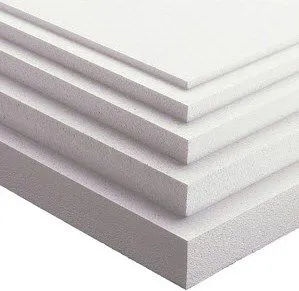
Rigid Board Is Rigid!
Because it's inflexible, it does a poor job filling the gaps or cracks that may exist in your walls. As a result, you'll have air passage ways in and out of your home. Air traveling in and out will bring moisture with it. This can lead to a multitude of problems such as mold, mildew and rot. It also doesn't prevent radiant heat transfer.
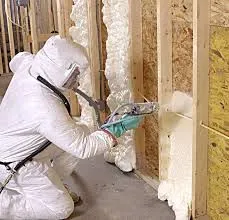
Spray Foam Insulation Won't Stop Radiant Heat Transfer
In addition to being very expensive, spray foam insulation won't prevent radiant heat transfer (the primary source of heat-flow in and out of your house). Without a radiant barrier, when your roof gets hot it radiates solar-generated heat down. This often results in it being hotter in your house than out. It's also suggested that you supplement open cell foam with a vapor barrier. Why not get the vapor barrier all in one product?
Fiberglass R-value In A Lab
You need an insulation that doesn't lose its thermal protection when you need it most - In the humidity of a winter. Fiberglass and cellulose R-value tests are done with the parameters of no humidity and no air. Maybe that exists somewhere in the universe, but not in your house. Fiberglass loses R-value once damp - It will get damp due to normal humidity levels. Once fiberglass gets damp, it will stay damp. Not only will you have trapped moisture in the blanket causing rot and mold, the damp blanket will provide less and less R value as the moisture builds.
For those of you the like to get into the weeds, I'll explain in more depth why fiberglass loses R-value once wet.
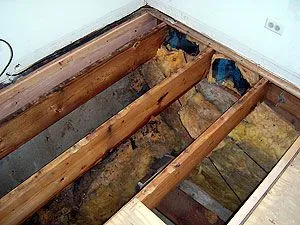
Fiberglass insulation is composed of woven fiber stands. The fiber strands contain hundreds of small air pockets. The air pockets provide the insulation. Once exposed to moisture, the air pockets fill up with water (rather than air) and the insulation loses the ability to provide R-value.
Moisture build-up between fiberglas and the exterior of your home cannot evaporate. Warnings on the insulation rolls advise you to completely protect yourself from coming in contact with fiberglass. Batts do not seal walls, ceilings and crawlspaces tightly.
Couple this with the fact that fiberglass insulation does not prevent radiant heat transfer (primary source of heat flow) and you can see why fiberglass insulation is not the recommended as a stand-alone insulation for house. Compare R-values of fiberglass to reflective insulation.
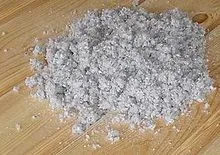
Wet Cellulose Insulation
Moisture absorption makes it heavier, causing it to lose R-value. It is prone to create too much dust that is blown into the house through small cracks or holes around fixtures. Like fiberglass, it can be a health problem.
Ways To Insulate Your House
Roof, walls, ceiling, crawlspace, attic, heat and air ducts, under floors, house-wrap, garage and under concrete.
Learn More About Reflective Insulation
Choosing the right insulation for your home involves more than comparing R-values. Heat gain, heat loss, air leakage and moisture all affect year-round comfort and energy efficiency.
Before making your decision, explore our Ultimate Reflective Insulation Guide to learn:
How reflective insulation works
Understanding R-value
Why ceilings, attics, walls and crawl spaces all require different considerations
How reflective insulation compares with fiberglass, spray foam, mineral wool and cellulose
How reflective insulation helps control heat, cold and moisture throughout the home
The more you understand about insulation, the easier it becomes to choose the best solution for your home.
Frequently Asked Questions About House Insulation
What is the best insulation for a house?
The best insulation for a house depends on your climate, construction type, and the areas being insulated. Roofs, attics, walls, crawl spaces, basements, floors, and garages all have different insulation requirements. Prodex Total combines insulation, radiant barrier protection, vapor barrier protection, and condensation control in one product, making it an excellent solution for many residential applications.
What areas of a house should be insulated?
For maximum energy efficiency, most homes should insulate:
Roof
Ceilings
Attic
Exterior walls
Floors
Crawl spaces
Basement walls
Garage
Air ducts
Under concrete slabs
Properly insulating these areas helps reduce heat gain during summer, heat loss during winter, and moisture problems throughout the home.
Does house insulation help lower energy bills?
Yes. Proper house insulation helps reduce heat transfer, allowing heating and cooling systems to operate more efficiently. Many homeowners experience lower utility bills while enjoying more consistent indoor temperatures throughout the year.
Does insulation help prevent condensation?
Yes. Condensation forms when warm, humid air contacts a cold surface. Prodex Total includes a built-in Class 1 vapor barrier that helps prevent moisture from reaching cold building surfaces, reducing the risk of condensation, mold, mildew, and structural damage.
Can reflective insulation be used with fiberglass insulation?
Absolutely. Many homeowners install Prodex Total together with fiberglass or blown-in insulation. Prodex Total helps protect fiberglass by reducing radiant heat transfer while providing a built-in vapor barrier and additional moisture protection.
What type of homes can use Prodex Total insulation?
Prodex Total is suitable for many residential structures, including:
Traditional houses
Tiny houses
Mobile homes
Manufactured homes
Shipping container homes
Metal barndominiums
Trailers
Yurts
Cabins
Garages and workshops converted into living spaces
Why is roof insulation so important?
The roof receives the greatest exposure to solar radiation during summer and is often responsible for the largest amount of heat gain. During winter, warm indoor air naturally rises toward the roof, increasing heat loss. Proper roof insulation improves comfort year-round while helping reduce energy costs and condensation problems.
Why choose Prodex Total instead of installing multiple products?
Many insulation systems require separate insulation, a radiant barrier, and a vapor barrier. Prodex Total combines all three into one easy-to-install product.
Prodex Total = Insulation + Radiant Barrier + Vapor Barrier — All in One Product.
That means fewer materials, fewer installation steps, lower labor costs, and comprehensive protection against heat, cold, moisture, air movement, and condensation.
Featured House Insulation For Sale - Prodex Total
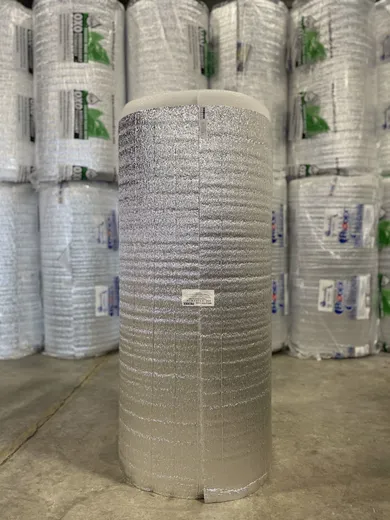
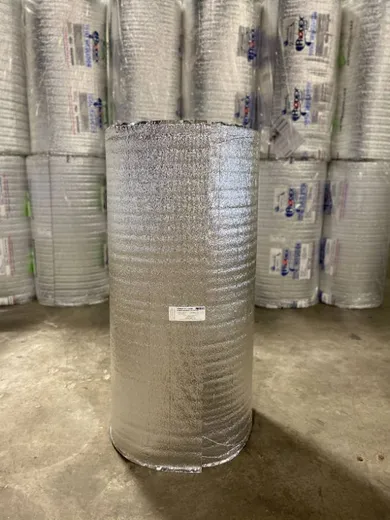
5M Plus: R17
Select one of these 5M items: 48 inch, Fast Action, 62 inch Fast Action, 72 inch, 24 inch or 16 inch. Thickness: 5mm (0.2") closed cell polyethylene foam covered on both sides with reinforced reflective foil.
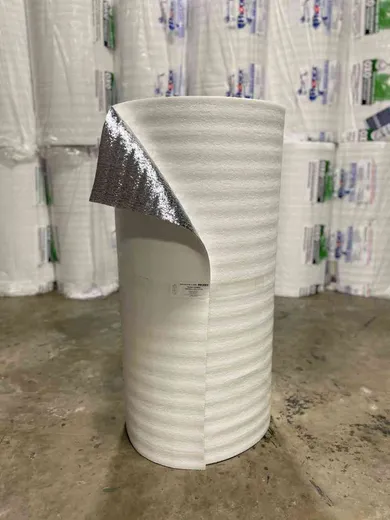
WHITE 5M Plus: R15.3
Thickness: 5mm (0.2") closed cell polyethylene foam with reflective reinforced foil on one side and plastic white finish film on the other side. Ideal where white finish is preferred.
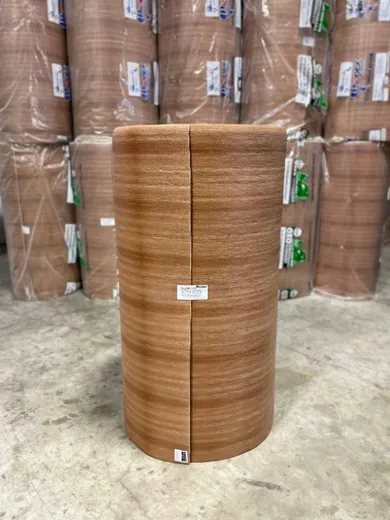
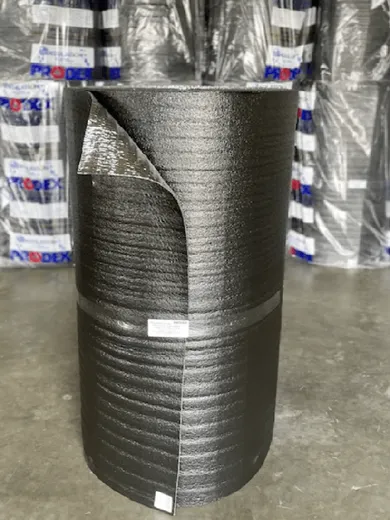
BLACK 5M Plus: R15.0
Thickness: 5mm (0.2") closed cell polyethylene foam with reflective reinforced foil on one side and plastic white finish film on the other side.
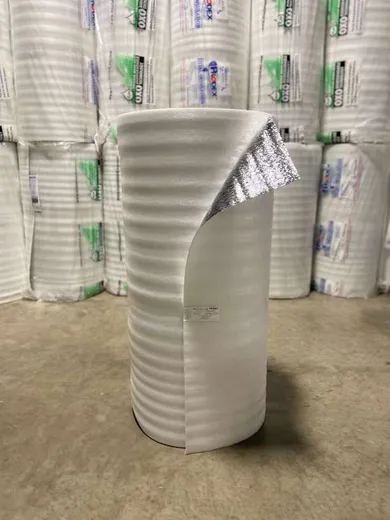
UNDER CONCRETE 5M
Thickness: 5mm (0.2") closed cell polyethylene foam with reflective on one side.
Ideal for driveways, radiant floor and basements.
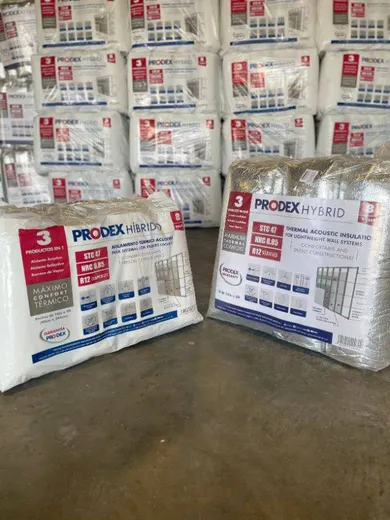
Dear Insulation4Less,
My contractor had never done IR barrier before. By the end of the job, they were standing in the house to get out of the heat. "It's COOL in here. I Like this stuff." was their comment
Sincerely,
Chris P., WA
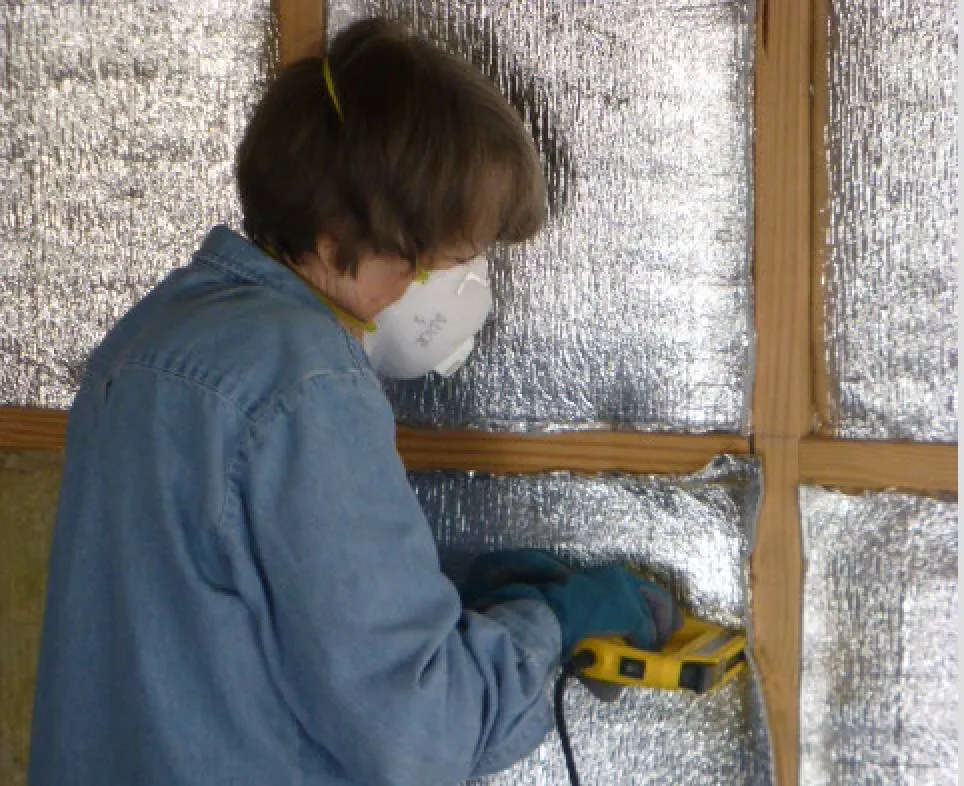
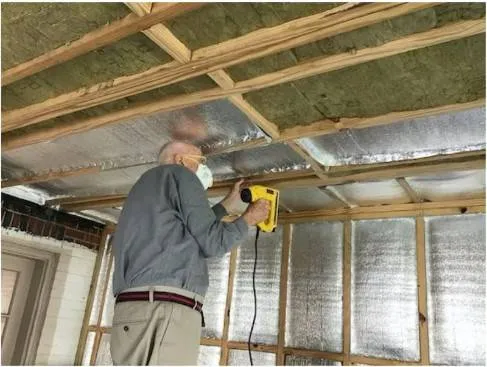
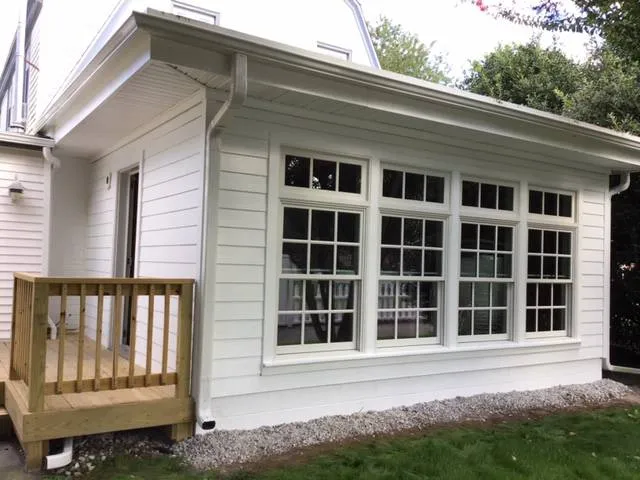
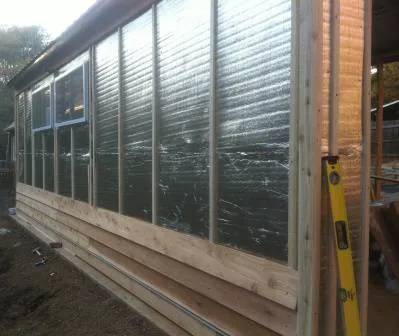
These photos are just a gift to you.... We have used your brilliant material in this historical home and in the homes of many of our family members.... if a couple of 75 year olds can do it, anyone can...
Sam and Alice Welch - Chesapeake, Virginia