Bubble Wrap Insulation: What, When, Where, Why & How
As many genius discoveries are, bubble wrap insulation was discovered by mere accident when engineers sealed two plastic shower curtains and the air was trapped between them.
Looking for insulation for your project? We’ll cover everything you need to know about bubble wrap: the what, when, where, why and how.
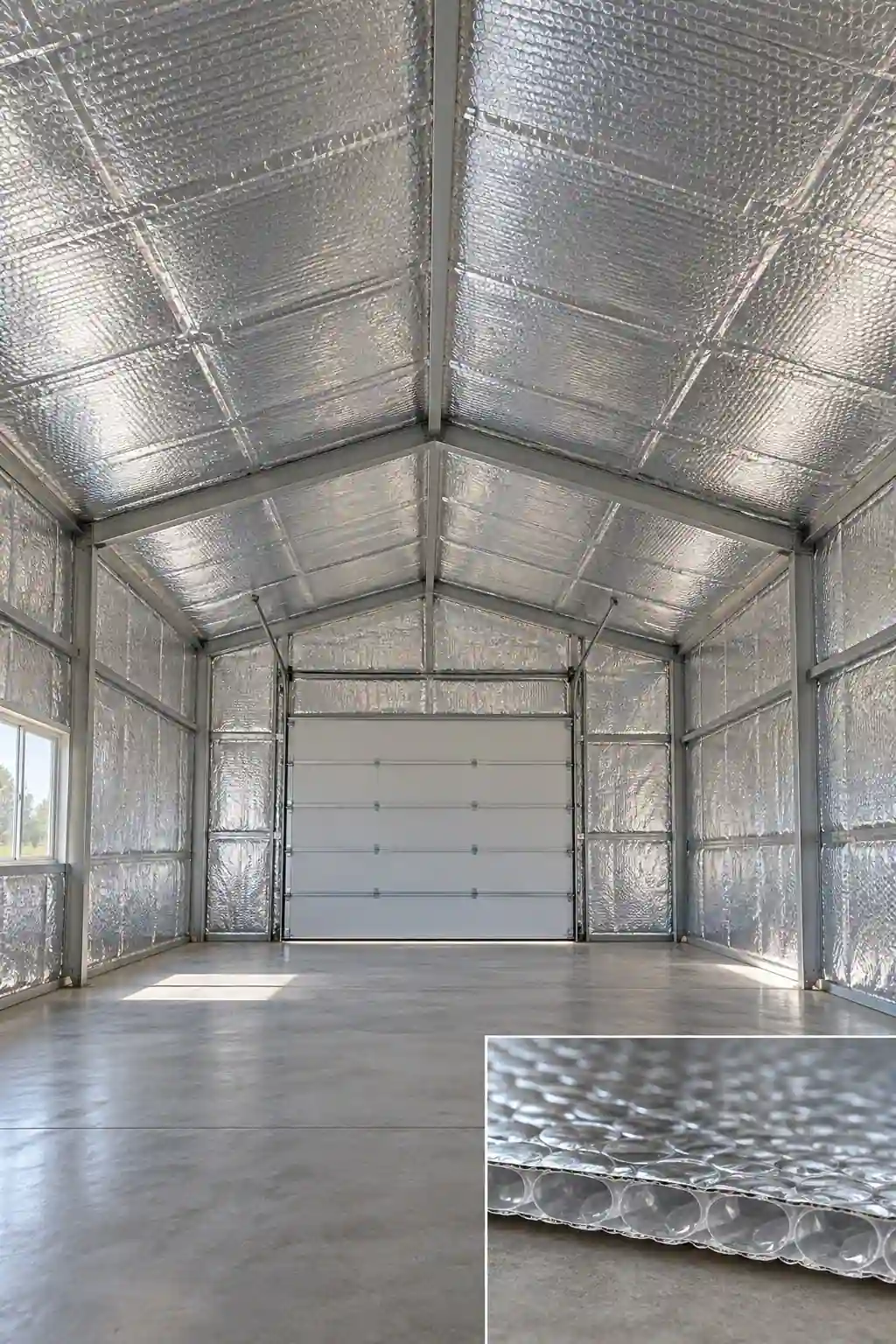
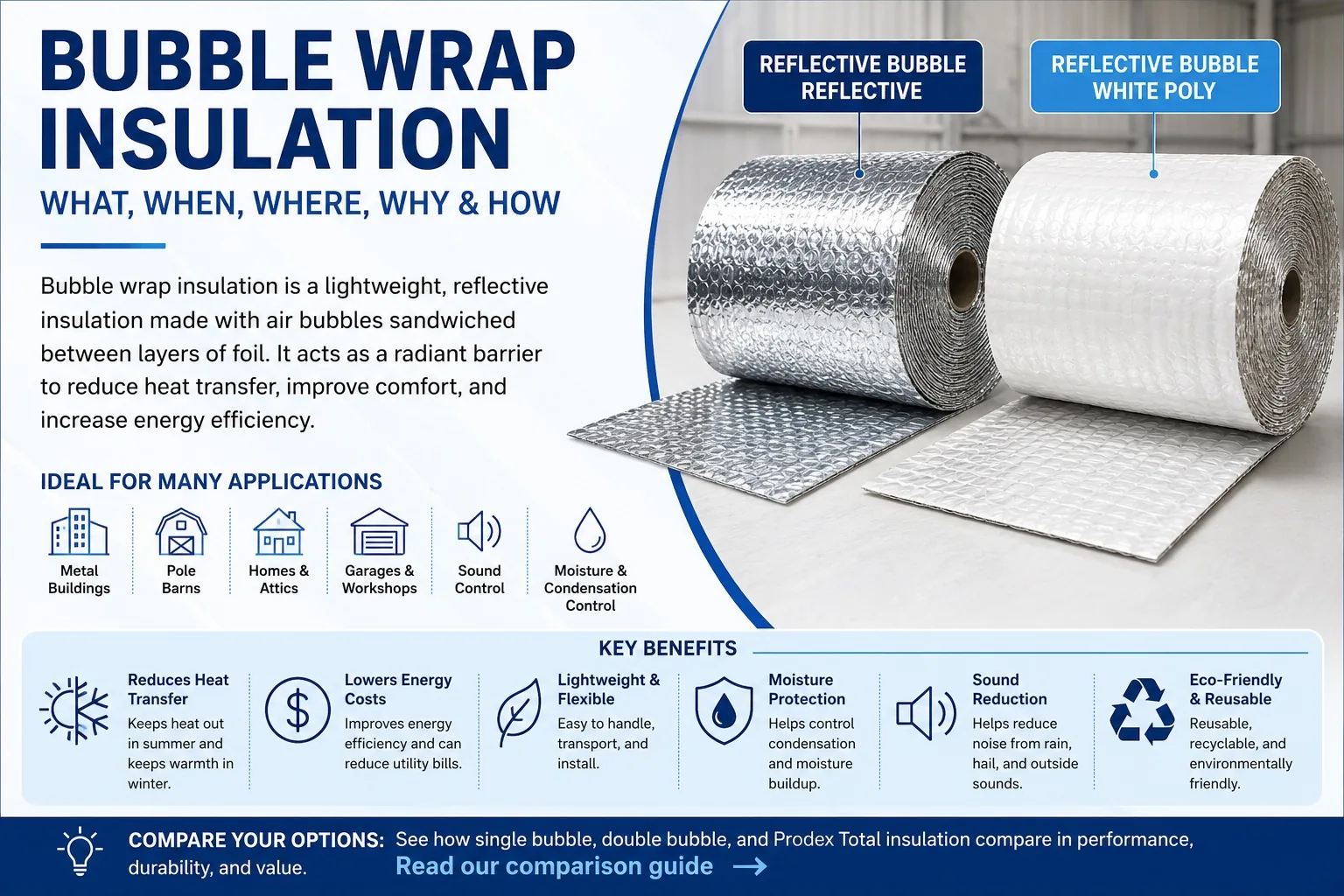
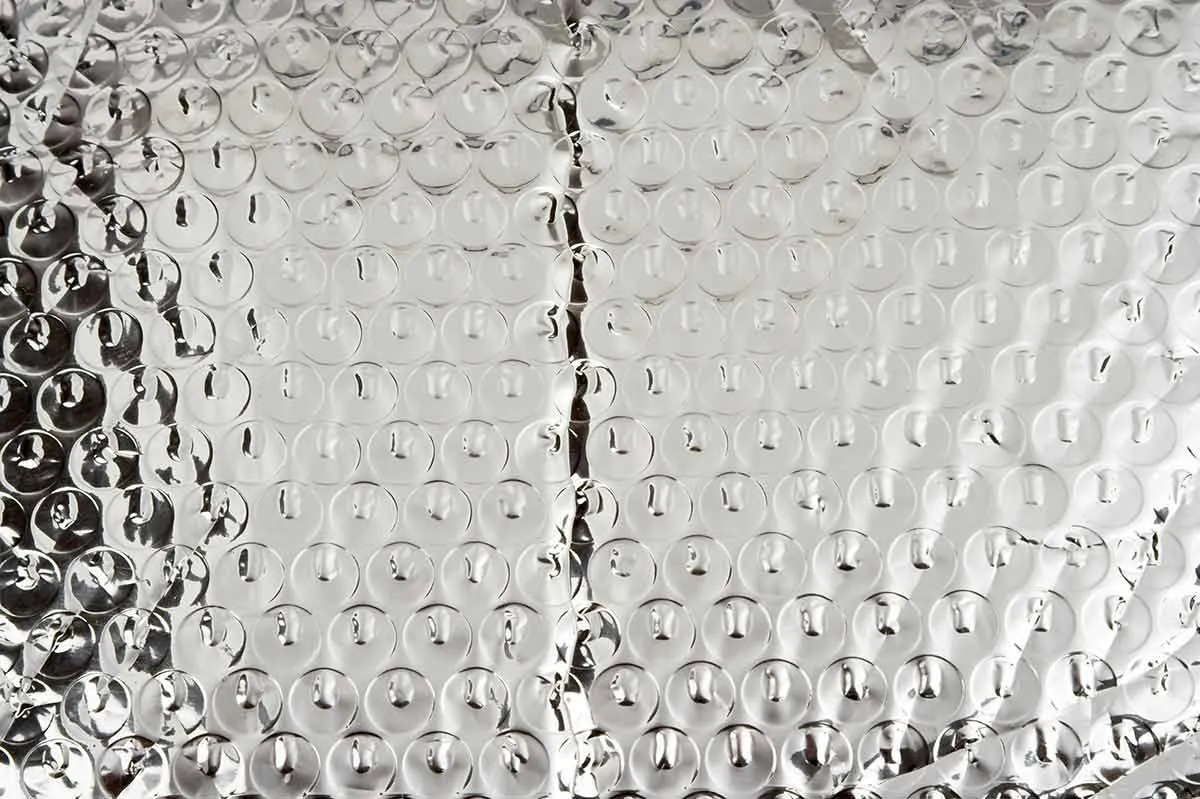
Bubble wrap insulation is made of one or two layers of foil with encapsulated air bubbles pressed in between the layers.
Bubble wrap insulation is just one type of reflective insulation. Compare the difference reflective insulation products available to determine which solution best fits your project and performance requirements. ayers.
It is a radiant barrier, which means it has the ability to reduce radiant heat, keeping your home, office, pole barn or warehouse cool and fresh in summer and comfortably warm in winter.
Want to learn more about how reflective insulation works? Visit our comprehensive Reflective Insulation Guide to understand radiant heat transfer, vapor barriers, R-values, and installation best practices. inter.
It comes in two varieties: single bubble and double bubble. The difference lies in the bubble layers in the middle.
Not sure whether single bubble insulation or double bubble insulation is the better choice? Read our detailed comparison of single bubble insulation vs double bubble insulation to see how they compare with each other and with Prodex Total.
Single bubble insulation has one layer of bubbles sandwiched between the external layers, while double bubble insulation consists of two bubble sheets.
External layers also come in two different types. The first, often called bubble white, contains polyethylene bubbles (in single or double options) between one metalized low-emitting surface and one layer of white polyethylene.
Thanks to its attractive white finish, bubble white can be applied in many different areas of a building. It acts as a vapor retarder and also offers a thermal break.
The second type of external layer, often called bubble reflective insulation, includes two layers of metalized, low-emissivity surfaces, one on each side of the bubble middle part. Learn how reflective bubble insulation compares to Prodex Total before deciding which insulation is best for your project.
Before deciding which reflective bubble insulation is right for your project, compare single bubble insulation, double bubble insulation, foil-only radiant barriers, and Prodex Total to understand how their construction, thermal performance, condensation control, and long-term durability differ.
This type is recommended for long-term applications because it typically comes at a higher price, but you’ll see a return on investment in time.
Logically, two foil layers make the insulation more robust, thicker and stronger and ensure a bigger thermal break, so it’s common to use both internal and external insulation for projects where you want to ensure extra protection.
Looking for a side-by-side comparison? Our guide to bubble insulation vs. Prodex Total explains the differences between single bubble, double bubble, foil-only radiant barriers, and Prodex Total.
Why Choose Bubble Wrap Insulation?
While bubble insulation has some drawbacks compared to other insulation types, the biggest advantage is that it reduces heat transfer by using reflective foils, which helps with temperature control inside a structure.
There are two options for installation.
The first option, which is typically recommended, is to install it during the construction process. During construction, it is cheaper and easier to apply, because you don’t need to remove old layers of insulation.
The second option, known as retrofitting, it to install the insulation in buildings that have already been completed. The new insulation can be applied to roofs, walls and floors after the old insulation is removed.
New insulation can also be applied on top of old insulation, but only if the old layers are dry and not ripped or damaged. If you’re applying new insulation on top of old layers, it’s important to leave an air gap between the two, to ensure that moisture doesn’t get trapped and cause issues in the future.
While you can install insulation on your own, its only effective if it’s installed properly. Professionals can help ensure that nothing is missed, so your insulation holds up over time and performs every function it’s designed for.
If you decide to apply bubble wrap on your own, here are a few important tips to keep in mind:
- Note that foil bubble wrap insulation is more effective in hot or mixed climates, compared to cold climates, thanks to its ability to radiate heat.
- Choose spring and fall as the most appropriate seasons for installment to help reduce exposure to extreme temperatures.
- Prepare your set of required tools which includes a staple gun, measuring tape, a utility knife and safety tools such as glasses, gloves and a dust mask.
- Make sure all ladders are secured for high or tough-to-reach places.
- Spread the insulation over the metal joists or purloins with its shiny side up, whether installing on new construction or retrofitting.
- Allow the insulation to "droop" between the points of attachment to make sure there is minimum 1 inch (2.5 cm) air space between the insulated surface and the foil.
- If you apply the insulation on flat ceilings, install it along the roofline instead of on top.
- Keep the metalized surface clean and dust-free at all times to optimize the results.
- Remember that bubble wrap does not typically seal well around punctures, so you may need to combine it with other insulation options like spray foam.
- Use foil tape to cover tears, edges and joints if needed if you do not have other options (such as spray foam).
Bubble Wrap Insulation Products
If you're looking for an economical reflective insulation solution, Insulation4Less offers two types of bubble wrap insulation designed for residential, commercial, agricultural, and metal building applications. Both products use a single bubble insulation core and provide a radiant barrier while remaining lightweight, flexible, and easy to install.
Reflective Bubble Reflective
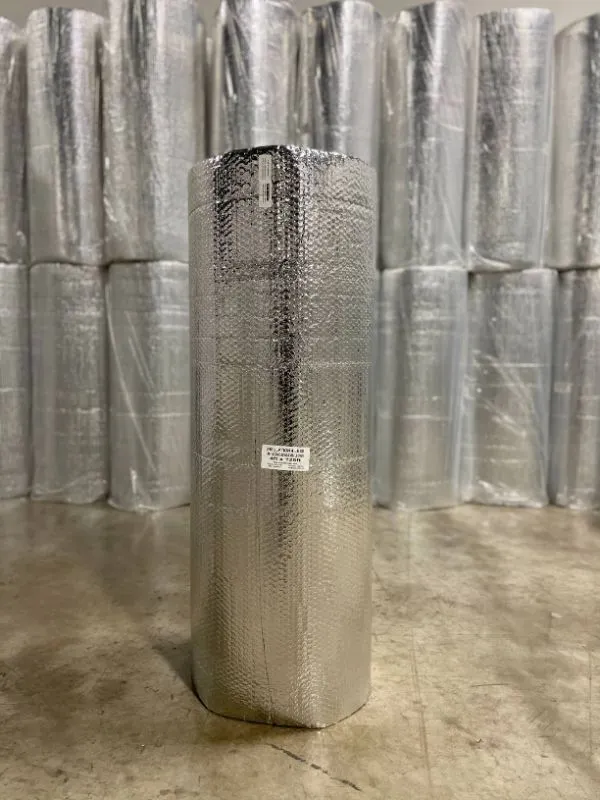
Reflective Bubble Reflective Insulation features a single layer of polyethylene bubbles laminated between two reflective, low-emissivity surfaces. This reflective bubble insulation is commonly used in metal buildings, pole barns, garages, workshops, crawlspaces, and other applications where a radiant barrier and basic thermal break are desired.
Features:
- Single bubble insulation construction
- Reflective foil on both sides
- Helps reduce radiant heat transfer
- Lightweight and easy to install
- Ideal for metal buildings, pole barns, garages, and agricultural structures
Reflective Bubble White Poly
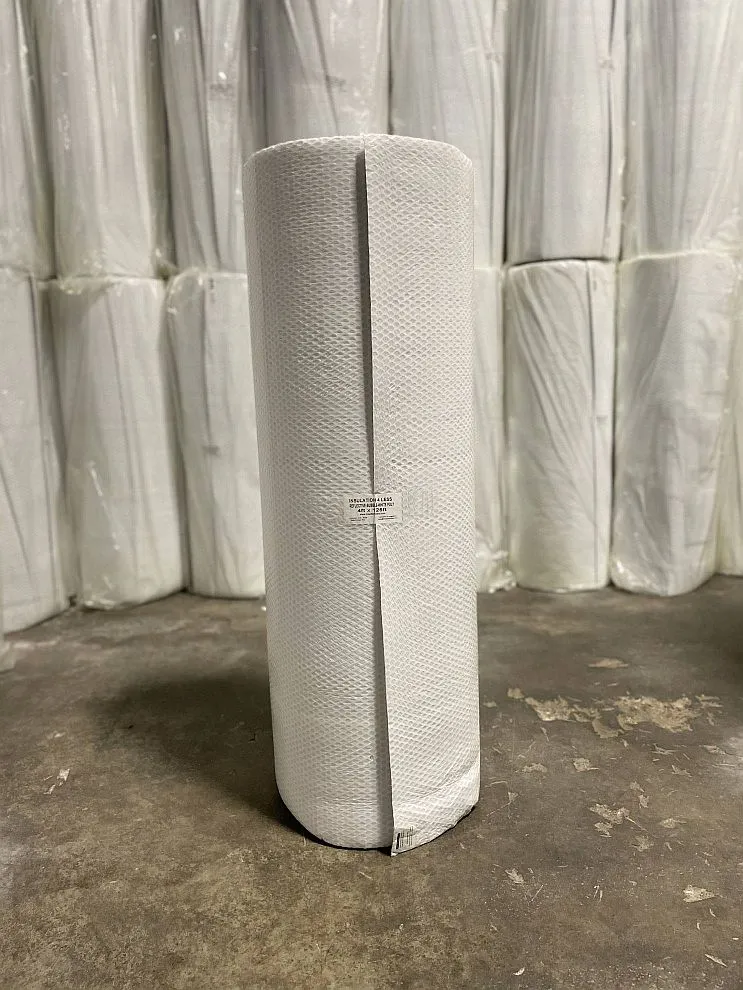
Reflective Bubble White Poly Insulation combines a single bubble insulation core with one reflective low-emissivity surface and one durable white polyethylene finish. The clean white interior appearance makes it an excellent choice for garages, workshops, utility buildings, storage areas, and other spaces where appearance is important.
Features:
- Single bubble insulation construction
- Reflective foil on one side with a white polyethylene finish
- Bright, clean interior appearance
- Helps reduce radiant heat transfer
- Suitable for residential and commercial applications
Looking for maximum insulation performance? Compare these products with Prodex Total to see why closed-cell foam reflective insulation provides superior condensation control, durability, and thermal performance.
So now that we’ve covered the in’s and out’s of bubble wrap insulation, we’ll let you in on a little secret. What’s our recommendation for the best all-around insulation type?
Prodex.
Prodex is a new generation material that has the ability to handle numerous insulation issues that can arise, such as heat, cold, noise and condensation.
It is recommended especially for insulating living and storage spaces, including metal buildings, pole barns, warehouses and more.
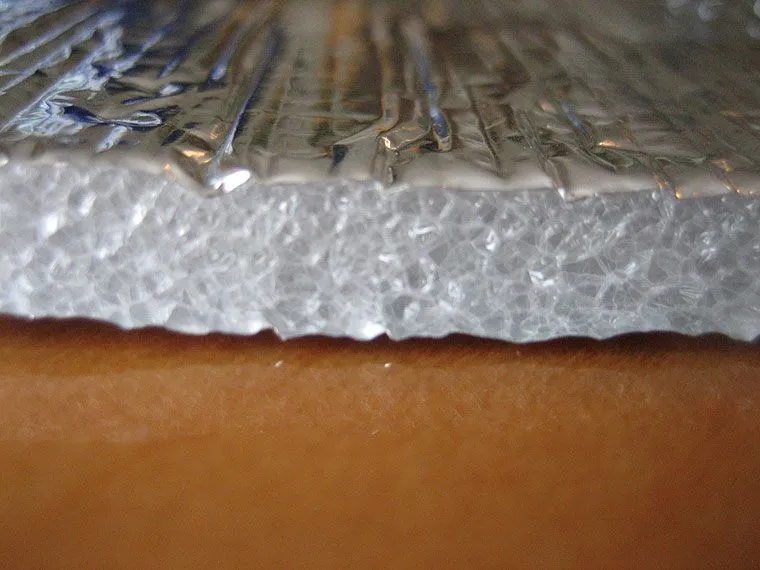
Bubble wrap insulation and Prodex share few similarities. They both serve as a radiant and vapor barrier. However, they have very different R-values.
An R-value is a measurement that shows the ability of a material to resist heat transfer. The higher the R-index, the more effective insulation is regarding heat resistance.
The R-value of bubble wrap insulation is very low (1.0 or 1.1) and it is affected by compression.
The R-value of Prodex ranges from 17 to 22 when incorporating an air-gap in specific applications.
In contrast to bubble wrap insulation which has a core made of air, Prodex's middle part is made of closed cell polyethylene foam. That, together with the reinforced reflective foil on the sides, makes it consistent in performance.
In addition, Prodex:
- Is durable because of the reinforced foil and closed-cell polyethylene FOAM center
- Prevents up to 97% of radiant heat transfer
- Blocks condensation
- Increases airflow due to rippled surface
- Seals around nails which does not allow leakages
- Keeps its shape and does not collapse over time
- Is resistant to fire
- Provides a vapor barrier
- Does not allow the nesting of rodents, bugs and birds
- Does not promote mold or mildew
- Is eco-friendly
Compare Bubble Insulation Before You Buy
Before choosing your insulation, compare single bubble insulation, double bubble insulation and Prodex Total to understand how construction, durability, R-value, condensation control and long-term performance differ.
Bubble Wrap Insulation vs Single Bubble vs Double Bubble
| Feature | Single Bubble | Double Bubble |
|---|---|---|
| Thickness | ✓ | ✓✓ |
| Cost | Lower | Higher |
| Weight | Lower | Higher |
| Thermal Break | Good | Slightly Better |
| Typical Uses | Residential | Commercial |
Frequently Asked Questions About Bubble Wrap Insulation
What is bubble wrap insulation?
Bubble wrap insulation, also called bubble insulation or reflective bubble insulation, is a reflective insulation product made with one or two layers of polyethylene air bubbles sealed between reflective, low-emissivity surfaces. It helps reduce radiant heat transfer and is commonly used in metal buildings, pole barns, garages, attics, crawlspaces, walls, and roofs.
What is single bubble insulation?
Single bubble insulation consists of one layer of polyethylene air bubbles between two reflective surfaces or between one reflective surface and one white polyethylene surface. It is lightweight, economical, and commonly used where a basic radiant barrier and thermal break are desired.
What is double bubble insulation?
Double bubble insulation contains two layers of polyethylene air bubbles between reflective surfaces. It is thicker than single bubble insulation and offers a slightly greater thermal break, although both products rely on trapped air bubbles that can compress or lose effectiveness if punctured.
Is bubble wrap insulation waterproof?
Bubble wrap insulation resists moisture because the polyethylene bubbles and reflective surfaces do not absorb water. However, seams, punctures, and fastener penetrations should be properly sealed to help maintain its moisture resistance. Unlike Prodex Total, bubble wrap insulation does not seal around nails and screws.
Does bubble wrap insulation have an R-value?
Yes. Bubble wrap insulation provides a modest R-value, typically around R-1 when tested by itself. In certain installed assemblies with properly maintained air spaces, system R-values can be higher. Performance depends on the installation method and maintaining the required reflective air gap.
Can bubble wrap insulation stop condensation?
Bubble wrap insulation can help reduce condensation when installed correctly with sealed seams and the proper air space. However, because its core consists of air bubbles, it does not provide the same long-term condensation control as closed-cell foam reflective insulation such as Prodex Total, especially if the bubbles become compressed or punctured.
Is bubble wrap insulation good for metal buildings?
Bubble wrap insulation is commonly used in metal buildings, garages, workshops, and agricultural structures because it reflects radiant heat and provides a vapor barrier. For projects requiring higher thermal performance, improved durability, and superior condensation control, many contractors choose Prodex Total. Learn more about insulation for metal buildings.
Continue Your Insulation Research
Whether you're comparing bubble wrap insulation with other reflective insulation products or planning a specific building project, these resources can help:
- Learn about reflective insulation products.
- Understand the science in our Reflective Insulation Guide.
- Explore solutions for metal buildings.
- Discover the benefits of pole barn insulation.
- Compare residential options with our house insulation guide.
- Review our complete single bubble insulation, double bubble insulation and Prodex Total comparison.
Wrapping Up On Bubble Wrap And Prodex
Insulation4less is a leader in the industry with over 18 years of experience. We're here to provide all your insulation needs and answer any questions you might have to make sure your project runs smoothly and you’re satisfied with your results.
When it comes time to choose the best insulation for your project, we recommend Prodex, hands down.
Compared to bubble wrap, both types of insulation are reflective options that offer a radiant and barrier protection, plus an R-value, but that’s where the similarities end.
Prodex is stronger, safer, more durable and an all-around better investment to protect the integrity of your project over time.
Regardless of which insulation type you choose, our experts are here to help. Contact us with questions or concerns, visit our insulation calculator and check out our best deals to get started on your project.
Want to try our all-in-one insulation solution? Check our Prodex inventory!