Best Shipping Container Insulation for Cargo Containers
Solving Your Condensation, Heat and Cold Problems
Shipping container insulation is essential for controlling condensation, radiant heat, and cold temperatures inside steel containers. Whether you need insulation for cargo containers, container homes, workshops, or storage units, choosing the right product can dramatically improve comfort and energy efficiency. Prodex Total combines insulation, vapor barrier protection, and radiant heat reflection in one solution designed specifically for shipping containers.
What Is the Best Shipping Container Insulation?
The best shipping container insulation should stop condensation, reduce radiant heat transfer, resist moisture, and preserve interior space. Unlike fiberglass, which can absorb moisture and lose R-value, Prodex Total provides a closed-cell insulation solution. It's a condensation eliminator with built-in vapor barrier protection. Whether you plan on using a shipping container as a house, for storage or to ship cargo, you need a thin, flexible insulation product that can provide protection from moisture, heat and cold.
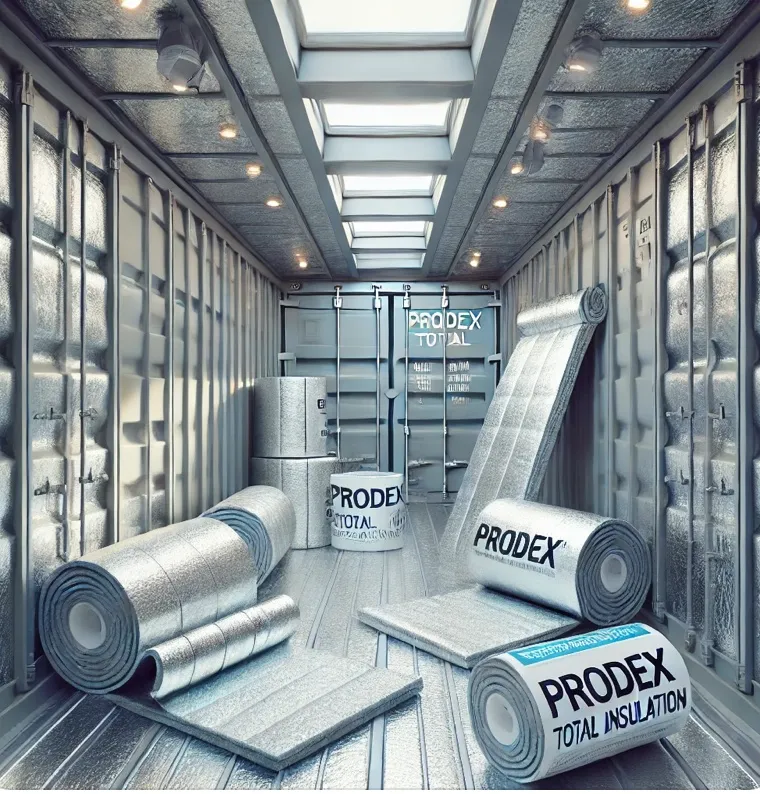
Insulation for Cargo Containers vs Shipping Containers
The terms cargo container insulation and shipping container insulation are often used interchangeably. Both refer to insulating steel intermodal containers used for shipping, storage, workshops, and housing applications. Proper insulation helps prevent condensation, overheating, and winter heat loss.
Why Shipping Containers Need a Vapor Barrier - Condensation
Metal shipping containers rapidly create condensation when warm interior air contacts cold steel walls. Using insulation with an integrated vapor barrier helps prevent dripping, mold growth, corrosion, and moisture damage.
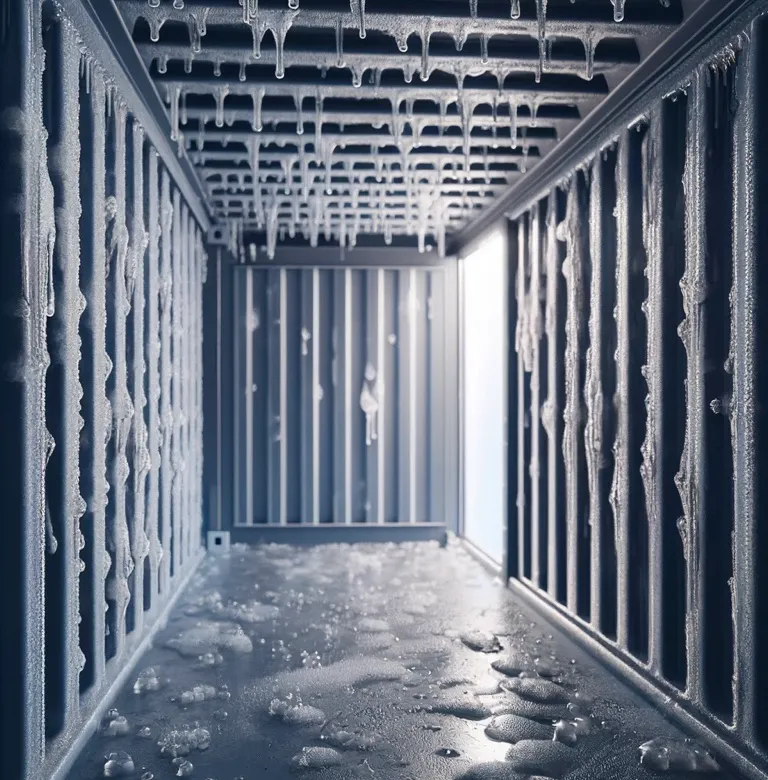
It can seem like a tropical rain forest inside an unprotected cargo container. It's worse on those days where there is a greater contrast between temperatures at night vs. day. The morning sun hitting the cool metal sheeting will create a drip. When warm air comes in contact with the cool metal sheet, condensation occurs. A temperature difference between the outside and inside of your container creates condensation - Similar to what happens when you have a cold can of beer outside on a hot day.
Prodex Total cargo container insulation eliminates the moisture (condensation) from forming on the metal sheeting. It does it by making the temperature of the metal sheeting on the building approximately the same on the inside as the outside. When the heat or cold from outside comes through the metal skin it hits the outside aluminum facing of Prodex and is reflected back upwards through the underside of the metal sheeting. This process keeps the metal sheeting temperature consistent on both sides. In addition, the inside layer of reinforced foil in Prodex reflects away the heat (heater) or cold (air-conditioning) from inside the container from getting to the metal skin. This also helps in preventing condensation. For an in-depth discussion on preventing condensation see our article: Condensation in Metal Buildings Causes Damage | How to Stop it
Radiant Heat In a Shipping Container
Mid-summer sun rays hitting the metal sheeting radiates downward (inside). It can make it unbearably hot and humid inside a metal container. The metal skin magnifies the heat of the summer and frigid temperatures of the winter. Metal is a very good conductor of heat and cold. In hot weather, metal sheeting rapidly radiate the sun's heat into a container.
Prodex reflects 97% of the radiant energy (primary source of heat flow) that strikes it. Prodex also reflects back the heat inside your steel building. Each unit of radiant heat energy that is reflected away from your container in the summer, and each unit that is reflected back during the winter, means less operation of your heating and air conditioning system - Less wear and tear on your equipment - Less money you pay in utility costs.
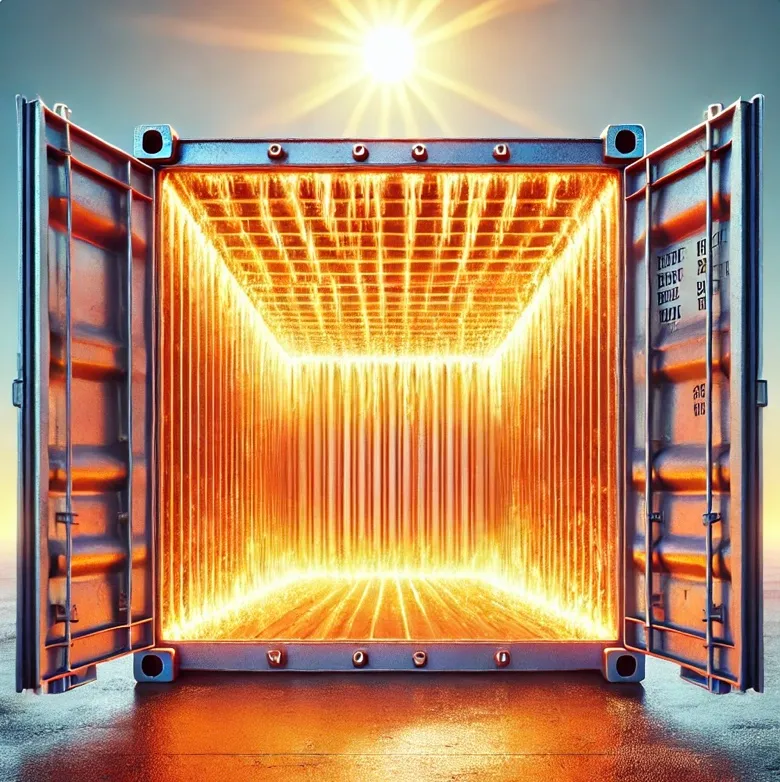
"I had a 20' shipping container on my mountain farm in Western Costa Rica. Once I installed 10M Prodex Total Insulation Plus, it went from being a sauna to the afternoon short siesta spot for two workers." Jonathan Barber
You'll Freeze in an Uninsulated Shipping Container
Metal shipping containers tend to be colder in winter compared to other types of structures.
Here's why:
- High Thermal Conductivity - Metal is a very good conductor of heat, meaning it loses heat quickly. When it's cold outside, the meta transfers heat from inside to the outside rapidly, making the interior colder.
- Lack of Insulation - Many cargo containers, especially those without proper insulation, do not retain heat well. The cold from outside seeps in easily, and any warmth inside escapes quickly.
- Condensation Issues - If a metal shipping container isn't properly insulated, moisture from warm indoor air can condense on the cold metal surfaces, making it feel damp and chillier.
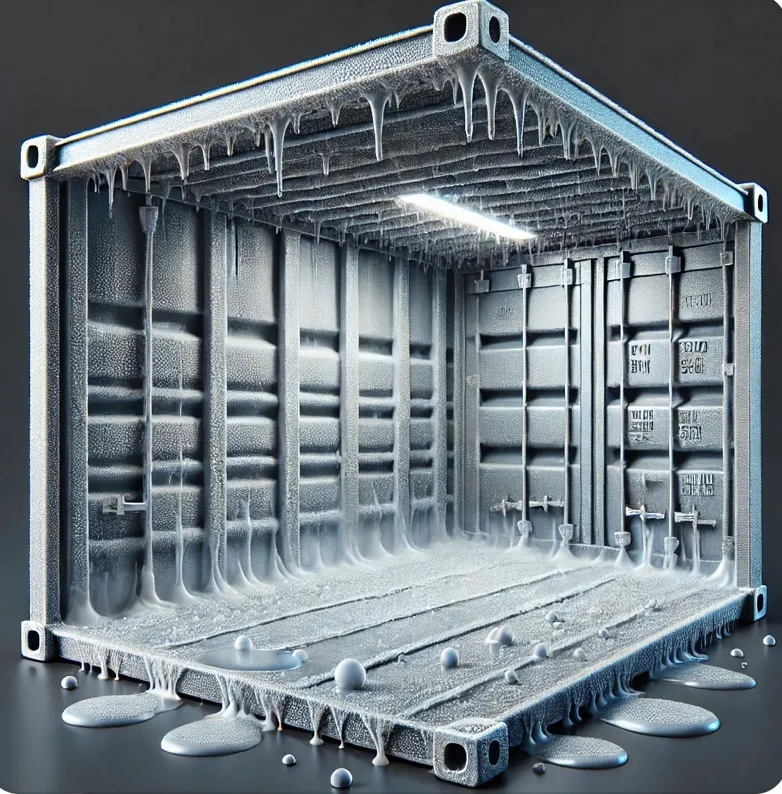
The Prodex Total R-value is not affected by humidity. This feature cannot be over emphasized. There will always be some humidity in a metal building and your insulation must work in these conditions.
Is Your Shipping Container Your House?
When converting your shipping container into a comfortable living space, proper insulation is essential to regulate temperature and prevent condensation. Prodex Total Insulation is an excellent choice for house container insulation, offering a combination of radiant heat reflection, vapor barrier protection, and thermal insulation. Unlike traditional fiberglass or spray foam, Prodex Total comes in rolls, making it easy to install on the interior walls, ceiling, and even floors of a container. Its reflective surface helps to block radiant heat, keeping the space cooler in hot weather while retaining warmth in colder conditions. Additionally, its closed-cell polyethylene foam core prevents moisture buildup, reducing the risk of mold and rust inside the metal container. Lightweight yet durable, Prodex Total Insulation provides an all-in-one solution for energy efficiency, comfort, and longevity in shipping container homes.

How To Insulate a Shipping container
For those that don't intend to stud, we'll show you how to insulate without framing:
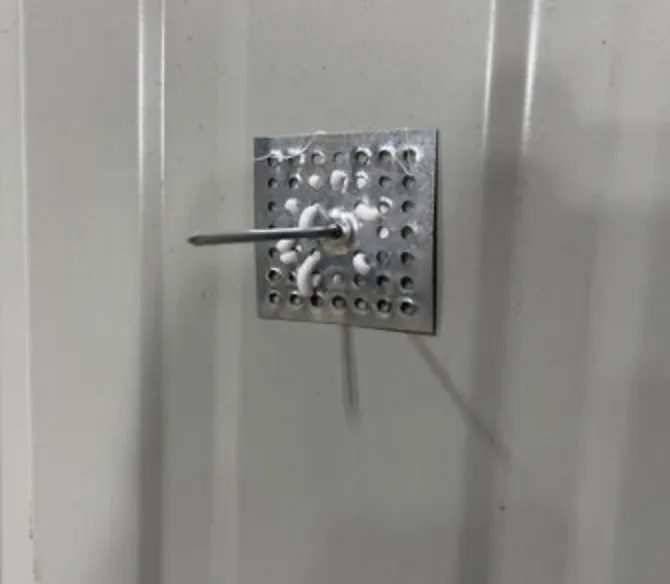
Step 1 Put a glob of Super Metal Sealant on the base of the pin. Press the base of the perforated pins on to the sheeting. It's fine that the adhesive oozes through the holes of the base (you can smooth it out if you want). This part of the adhesive helps hold the anchor pin on to the metal. Space pins 1 per 2 square feet. Allow 24 hour cure time. The cure time can vary depending on the temperature and humidity
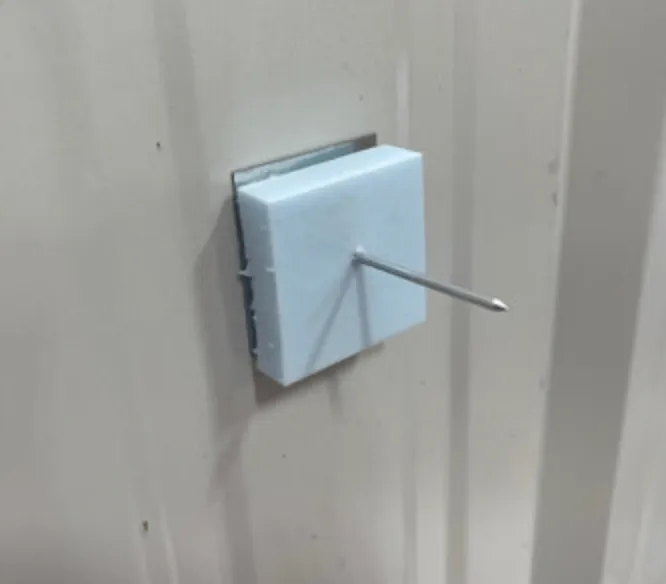
Step 2 (optional) Add Spacers to the pins on the walls - While the pins are bonding to the metal, prep the foam board spacers. Cut 2" x 2" pieces of 3/4" or 1" foam board. It provides an air gap which optimizes the performance of the insulation. Push the square foam pieces all the way down the pin. If you prefer no to use the spacer, don't push the insulation flush to the metal. Rather, leave the insulation off the the metal (approximately 1) inch to optimize performance.
Step 3 Push the insulation on to the pin. Once it's through the pin, push the cap onto the pin and press it down to secure the insulation.
Stud Walls
If you're going to stud or fur out your container, follow the retrofit install instructions for how to insulate a pole barn.
How Much Insulation Do You Need?
(40 ft. Container)
- If selecting Prodex Total 10M order 5 Insulation rolls. If selecting one of the following Prodex rolls: 48 Inch, Fast Action or White, order 2 Insulation bags.
- Also order 1 set of reflective tape 2 rolls/set 1 set of double sided tape 2 rolls/set + 1 cases of Super Metal Sealant. You don't need to order reflective tape if you buy Prodex Total 10M or Fast Action.
20 ft. Container
Price | Cost | Buy Shipping Container insulation
- If selecting Prodex Total 10M order 3 Insulation rolls. If selecting one of the following Prodex rolls: 48 Inch, Fast Action or White, order 2 Insulation bags.
- Also order 1 set of reflective tape 2 rolls/set 1 set of double sided tape 2 rolls/set + 1 cases of Super Metal Sealant. You don't need to order reflective tape if you buy Prodex Total 10M or Fast Action.
4 Reasons To Buy Prodex Total Shipping Container Insulation
- Independent Prodex Insulation Reviews at Site Jabber. Site Jabber is the leading community of online business reviewers.
- BBB report. For over 100 years, BBB has set the standard for ethical business behavior. We're proud to maintain an "A to A+" rating. This rating takes into account a company's size in its relation to complaints. We're proud to maintain an "A to A+" rating. Accredited since March 15, 2004.
- ICC-ES Recognized - ICC-ES is an evaluation service that takes independent test data for a variety of products and analyses it against a uniform Acceptance Criteria that is recognized internationally.
- Over million orders totaling more than 5 billion square feet of insulation sold.
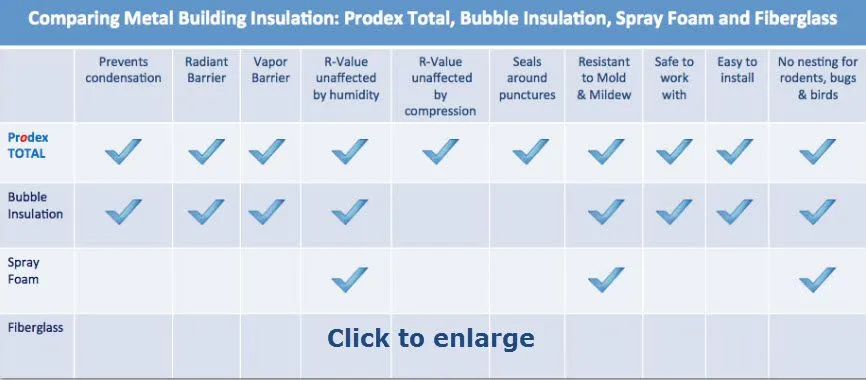
Comparing Shipping Container Insulation: Fiberglass, Bubble, Spray Foam and Prodex Total
Fiberglass Insulation In A Shipping Container - Loss of R-value
Once fiberglass insulation gets wet (and it will get wet, due to condensation) it will lose R-value! Water trapped between fiberglass insulation and the exterior of a container will also cause mold, fungus growth, rust and oxidation - Conditions that will degrade the metal and shorten the service of the structure. In addition, fiberglass insulation does not prevent radiant heat transfer (the primary source of heat-flow in and outside your container).
Take a look at the white vinyl facing if you can find it in a cargo container - It will be either sagging, or sagging and flaking. This is due to the added weight of water. Behind the white vinyl is a wet, mold filled blanket that will eventually cause the white vinyl to crack and fall off. At some point, when you're exposed to the toxic fibers, you'll be forced to remove the insulation - Hopefully before it does too much damage to the container. If you insist on using fiberglass, use it in conjunction with Prodex Total, so the Prodex can keep the moisture out of the fiberglass.
Once metal sheeting gets cold it creates a situation where it's colder inside the building than out. To combat this you need an insulation that doesn't lose its thermal protection (like fiberglass) when you need it most - Cold damp conditions!
Quality Core
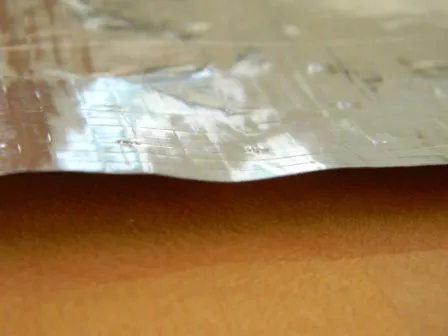
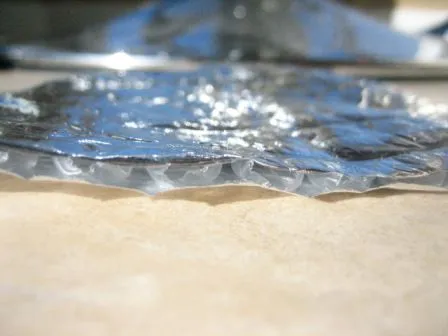
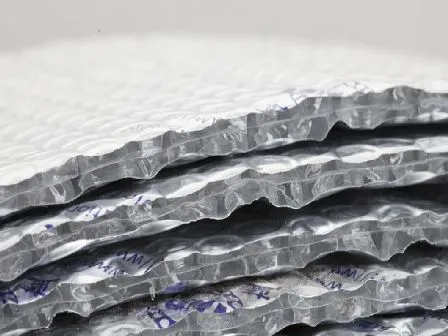
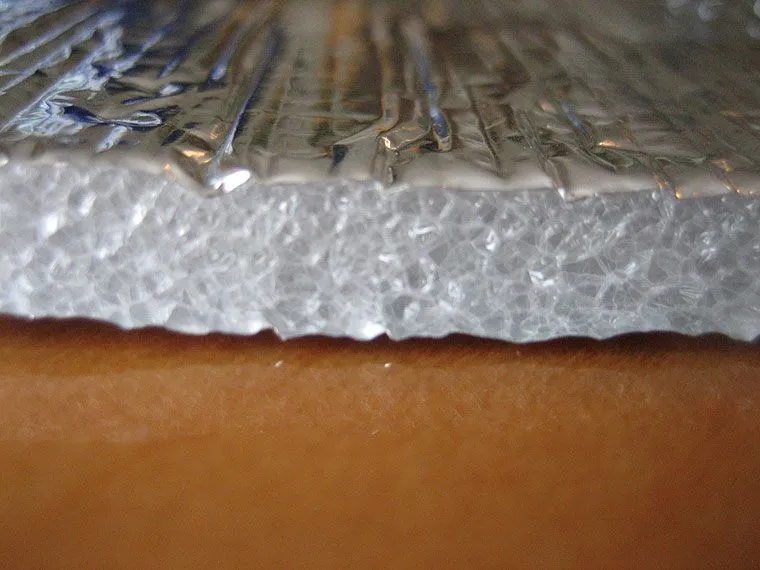
Take a look at the photos below. Even if you didn't know anything about bubble wrap insulation or Prodex Total, which one would you choose? The obvious choice is Prodex Total. It has a high quality core that keeps its shape when exposed to forces. Prodex Total has a nominal thickness of 0.2 inch (5mm) and 0.4 inch (10mm) closed cell polyethylene foam covered on both sides with reinforced foil facing. Under pressure, the Prodex micro-cells do not collapse -- With a pressure of 6 PSI Prodex compresses just 6%. When the load is relieved it takes back its initial shape. The density of the foam is between 1.25 lb/ft (sq) - 1.87 lb/ft (sq). This gives the material real body.
Should I Insulate My Container with Single Bubble, Double Bubble, Foil only, or Prodex Total?
Bubble insulation is composed of either one (single bubble) or two (double) layers of air bubbles sandwiched between two metalized surfaces. Once either is punctured, it collapses (POPS)! Single bubble has a nominal thickness of 5/32 inch. Double bubble measures 5/16 inch. These measurements bear little resemblance to the effective measurement of the products (photos above).

We see little difference between the performance of single and double bubble wrap insulation. The latter simply has a second layer of air bubbles (A balloon with more air). Although we strongly recommend Prodex Total over either, if your budget doesn't allow you to purchase the quality of Prodex, we suggest you order our single bubble reflective bubble reflective insulation rather than a double bubble. You'll get virtually all the benefits of the double bubble while saving money.
Because bubble insulation has a core composed of air rather than closed cell polyethylene foam, it lacks the long-term consistency in performance of Prodex Total Insulation.
Foil only products are typically perforated and composed of two metalized surfaces with a mesh woven in for strength. It is not a vapor barrier, it has no R-value - It is not insulation per se. It's a thin layer of reflective low emissivity film installed with an airspace to block radiant heat transfer between a surface that radiates heat. We refer to these products as foil only radiant barriers.
Unlike foil only products (no inner substance), Prodex Total protects against the energy transferred via conduction and convection. Prodex is a radiant barrier + insulation + Vapor Barrier. More than just a radiant barrier, Prodex Total is one solution for Heat, Cold, and Water. Prodex prevents condensation, heat from coming in and heat from getting out of your building!
The choice is obvious.
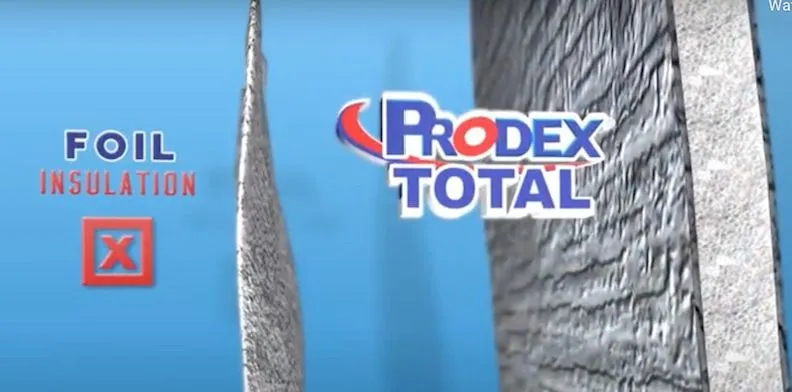
What Makes Prodex Total Insulation Superior to Fiberglass and Spray Foam in Shipping Containers?
- R-value Unaffected by humidity
- Keeps its shape over time
- Prevents 97% of radiant heat transfer
- Vapor barrier
- Prevents condensation
- Sound reduction
- Does not promote mold or mildew
- Does not provide for nesting of rodents, bugs or birds
- Seals around nails (no leak)
- Made with 100% recyclable virgin raw materials.
More benefits of Prodex Total Insulation
Prodex Insulation Prevents Rodents, Bugs and Birds from Nesting
Unlike fiberglass insulation, Prodex does not provide for the nesting of rodents, bugs and birds. Rodents, bugs and birds aren't able to digest the aluminum.
Prodex Total Deadens Sound of Rain and Hail
Metal skin on a building can exaggerate the sound of rain and hail. Prodex provides excellent sound deadening.
Increased Lighting Efficiency
Prodex provides a bright, attractive finish to your container. It reflects the light, making it easier to light the building interior. It's even offered in white.
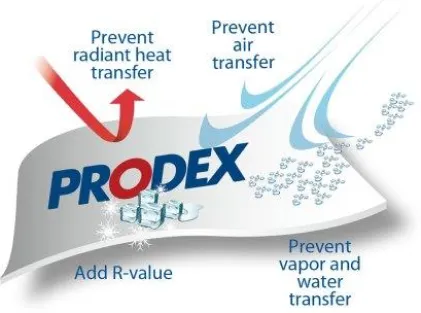
The metal skin of the container requires the insulation product to reflect out heat. It also demands that the product eliminate condensation. In addition, the compact size of a 40 or 20 ft container doesn't allow for the use of a mass insulation product such as fiberglass. Complete Expert Guide on Metal Building Insulation
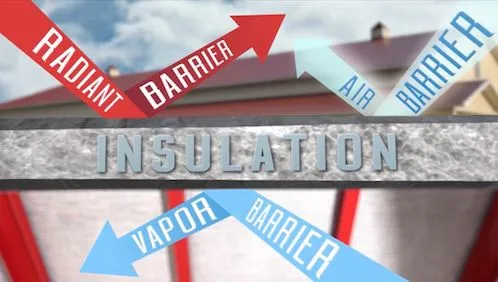
Prodex Total Shipping Container Insulation = INSULATION + Radiant Barrier + Vapor Barrier + Air Barrier
ALL IN ONE PRODUCT!
One solution to Cold, Heat and Condensation - You'll be warm in winter, cool in summer and dry all the time.
For independent reviews - Visit Site Jabber
Reenie: Wednesday, May 3, 2017Dear Insulation4Less,
I recently ordered and received Prodex insulation. I have installed it in my container. The product is fantastic! It was super easy to install and works great! It immediately reduced the temperature in the container. I furred the container out with 1x2s and simply stapled the Prodex over them. I then sheetrocked over the Prodex. It all worked out perfectly! I believe it is a superior product than the R-13 fiberglass I installed in the ceiling. I just wanted to extend my appreciation to the company for an outstanding product, immediate customer service and instant delivery.
Gary Johnson: Saturday, June 4 2016
Dear Insulation4Less,
My container was so hot I wouldn't store anything heat sensitive. After installing Prodex I could really feel the difference. Good stuff
Shipping Container Insulation For Sale
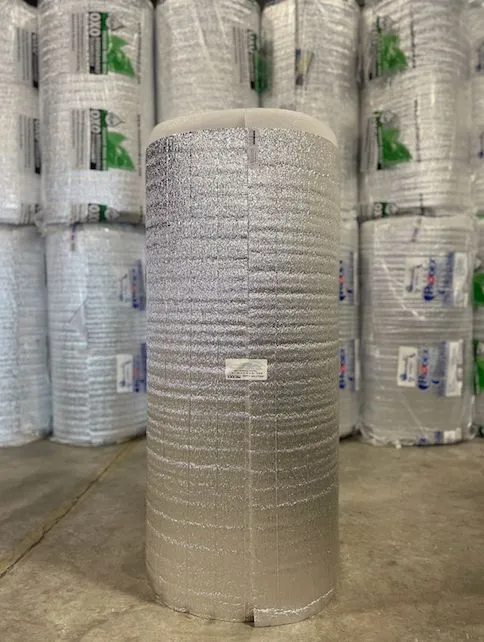
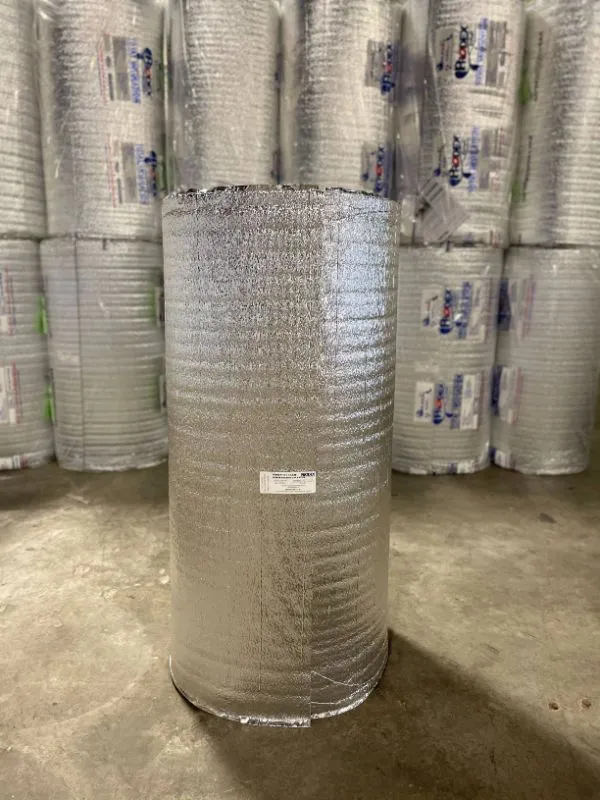
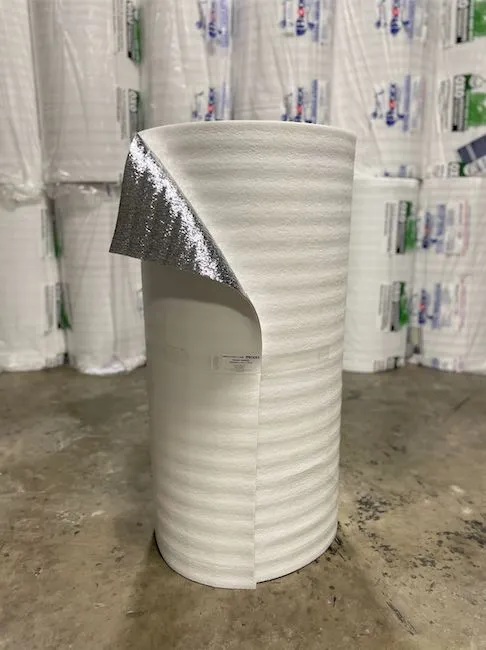
WHITE 5M Plus: R15.3
Thickness: 5mm (0.2") closed cell polyethylene foam with reflective reinforced foil on one side and plastic white finish film on the other side. Ideal where white finish is preferred.
What is the best insulation for a shipping container?
Prodex Total is one of the best shipping container insulation options because it combines radiant barrier protection, vapor barrier performance, and thermal insulation in one thin product.
How do you stop condensation in a cargo container?
Condensation can be reduced by installing insulation with a vapor barrier and reflective surface that prevents warm moist air from contacting cold steel.
Can you insulate a shipping container without framing?
Yes. Prodex Total can be installed directly using pins and adhesive without traditional framing.
What insulation works best for container homes?
Closed-cell insulation systems with radiant barrier properties perform well in shipping container homes because they resist moisture and maintain thermal performance.
Calculate amount of insulation required for your Cargo Container